
1. Kale — The Undisputed Nutrient-Density Champion
Kale tops every major nutrient-density index, including the ANDI score, where it earns a perfect 1000. Rich in vitamins A, C, K, folate, calcium, iron, fibre, and sulforaphane, kale offers unmatched micronutrient coverage per calorie. Its combination of antioxidants and glucosinolates makes it one of the most researched anti-inflammatory foods on Earth.
2. Collard Greens — Kale’s Even-Heartier Cousin
Collards rival kale in almost every category and surpass it in calcium and vitamin K. They’re packed with fibre, plant protein, and detox-supporting compounds, making them a powerhouse for bone health and metabolic resilience.
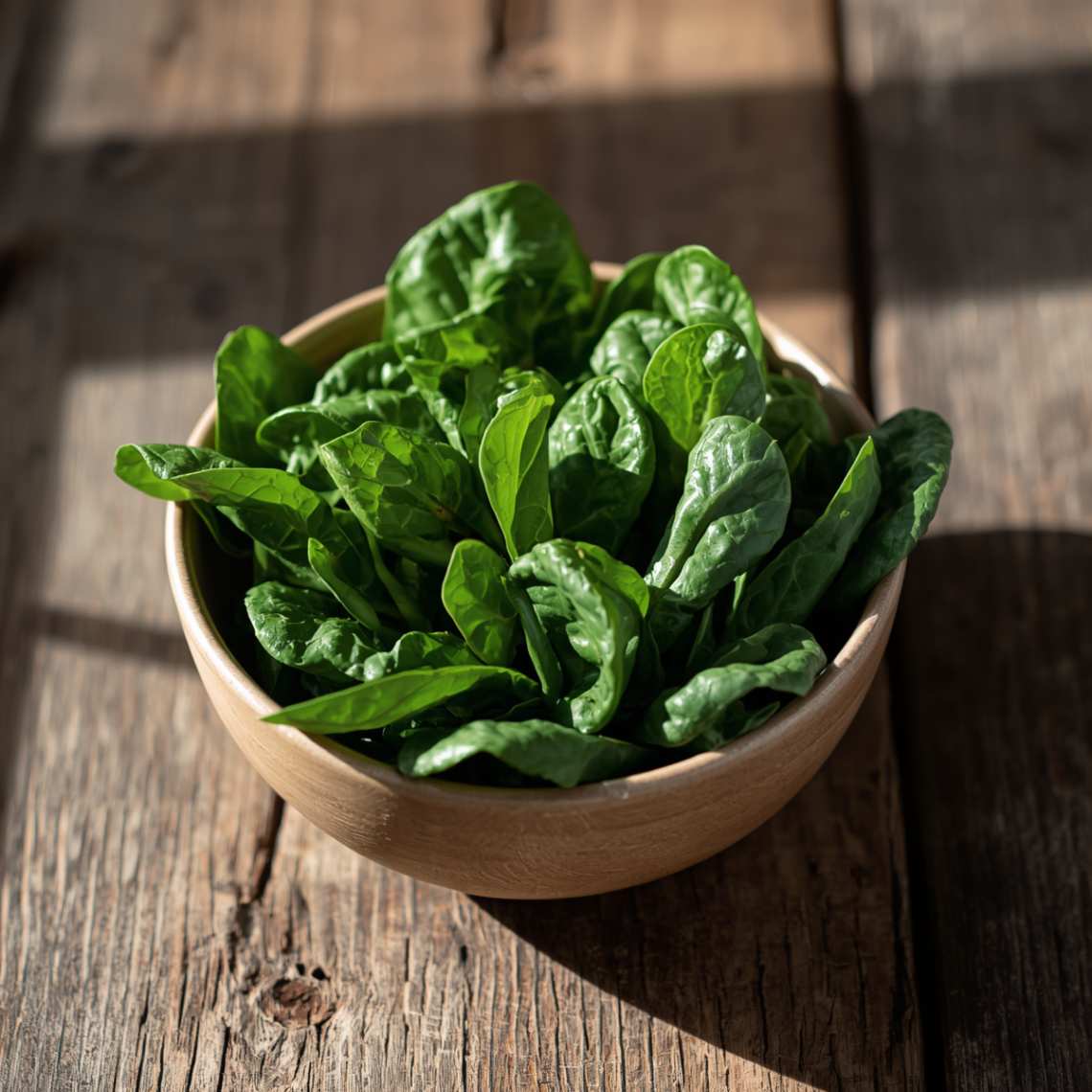
3. Spinach — Iron-Rich, Antioxidant-Dense, and Versatile
Spinach delivers folate, iron, magnesium, vitamin A, and vitamin C in extraordinary concentrations. It’s lower in fibre than kale, but richer in certain carotenoids and chlorophyll, making it ideal for skin, energy, and immune support.
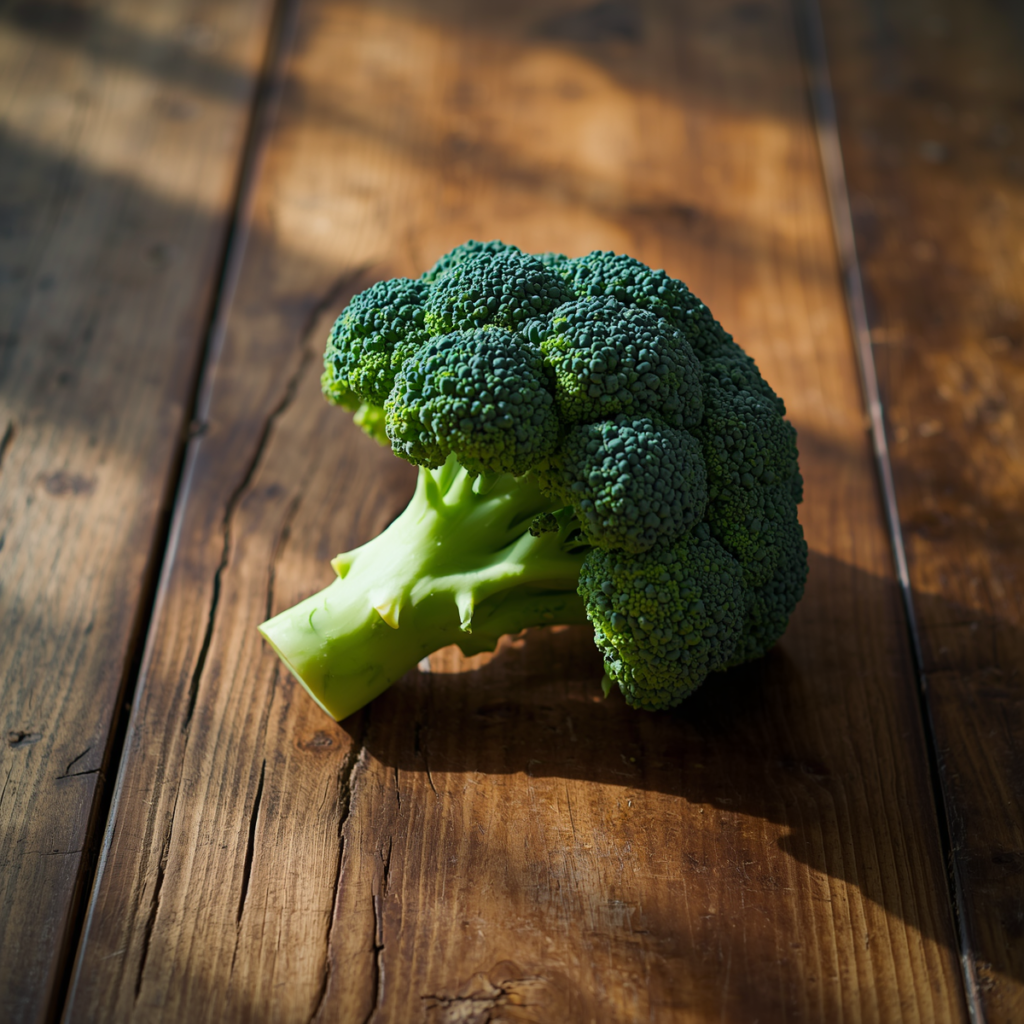
4. Broccoli — The Sulforaphane Superstar
Broccoli is the most concentrated dietary source of sulforaphane, a compound linked to reduced inflammation, improved detoxification, and cellular protection. It also provides vitamin C, fibre, folate, and minerals in highly bioavailable forms.
5. Brussels Sprouts — Mini Cruciferous Powerhouses
These tiny cabbages pack huge nutritional punch: vitamin C, vitamin K, folate, fibre, and glucosinolates. Their antioxidant profile supports heart health, gut health, and long-term metabolic stability.
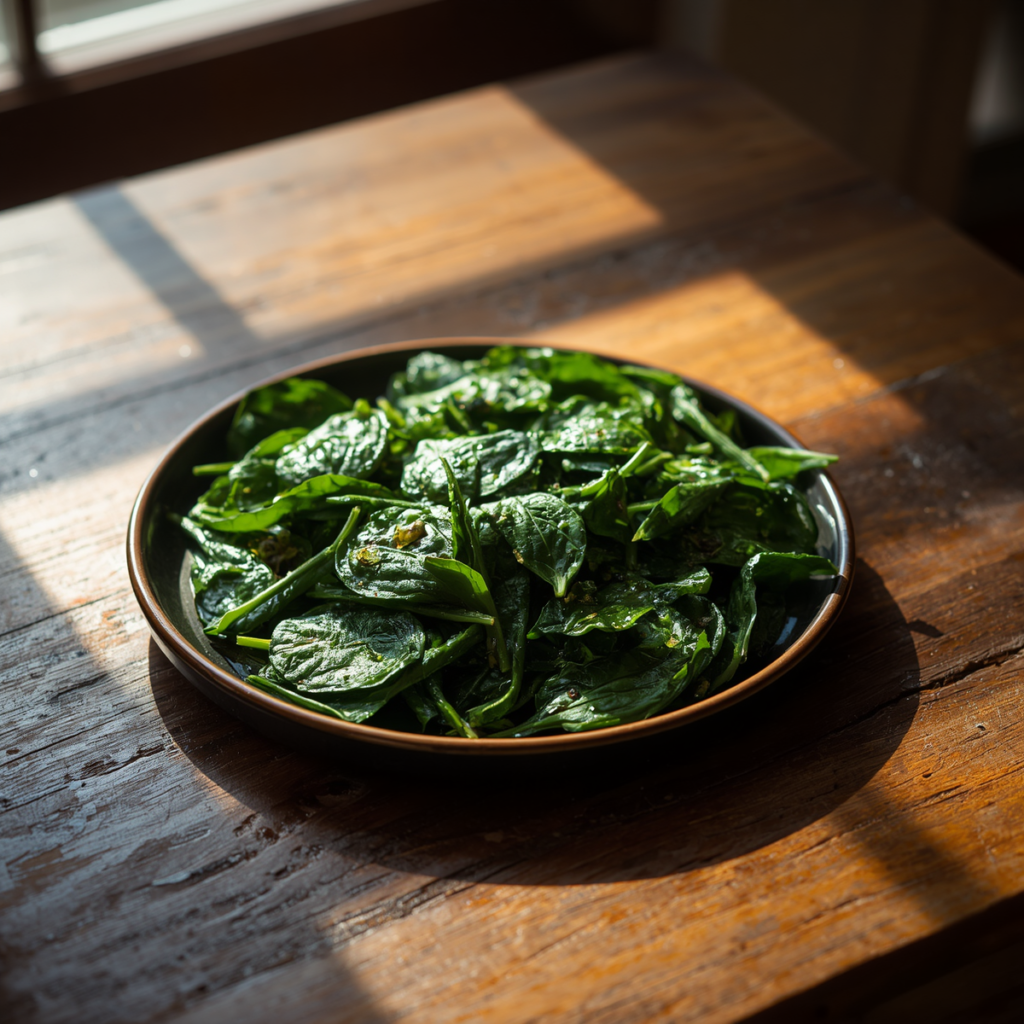
6. Sweet Potato Leaves — The World’s Most Underrated Supergreen
Common in Asia and Africa but rare in UK supermarkets, sweet potato leaves are richer in polyphenols, carotenoids, and vitamins A, C, and K than almost any other leafy green. They outperform spinach and kale in several antioxidant categories.
7. Beet Greens — More Nutritious Than the Beetroot Itself
Beet greens deliver vitamin K, A, C, magnesium, potassium, and nitrates that support blood flow and endurance. They’re one of the most mineral-dense greens available.
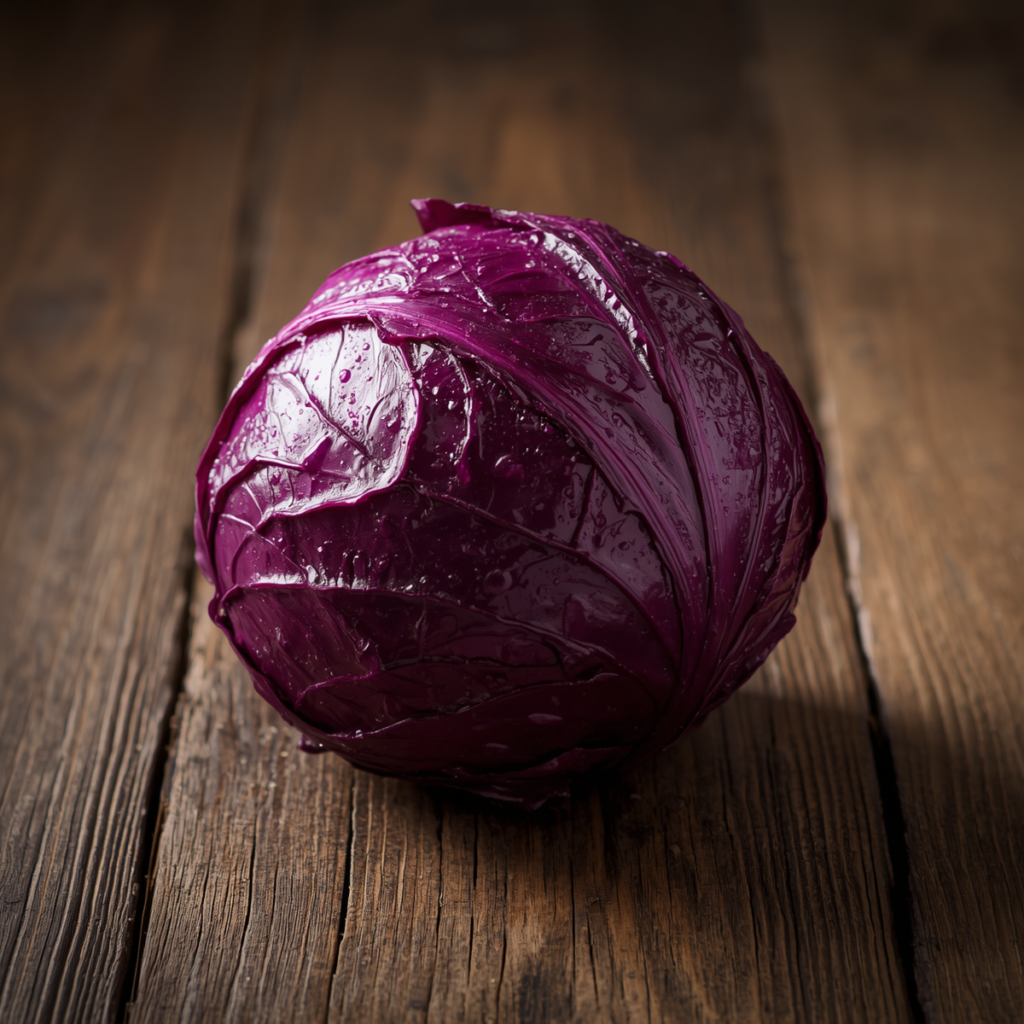
8. Red Cabbage — Anthocyanin-Rich and Anti-Inflammatory
Red cabbage’s deep purple colour comes from anthocyanins — potent antioxidants linked to reduced inflammation and improved cardiovascular health. It also provides vitamin C, fibre, and glucosinolates.
9. Watercress — The CDC’s Highest-Rated Green
Watercress ranks at the top of the CDC’s nutrient-density list thanks to its high levels of vitamin K, A, C, and peppery phytonutrients. Its unique compounds support thyroid health, detoxification, and circulation.
10. Mustard Greens — Spicy, Potent, and Packed with Bioactives
Mustard greens combine vitamins A, C, K, folate, fibre, and spicy glucosinolates. Their heat comes from natural compounds that support metabolism and digestive health.
Why These Vegetables Rank Highest
Across all scoring systems — ANDI, Nutrivore, USDA nutrient density, and bioactive diversity — these vegetables consistently outperform others because they offer:
- High micronutrient density per calorie
- Exceptional antioxidant diversity
- Glucosinolates and sulforaphane (unique to cruciferous vegetables)
- Fibre diversity (soluble, insoluble, prebiotic)
- Carotenoids and polyphenols
- High bioavailability when lightly cooked
In short: these vegetables don’t just contain nutrients — they contain the most nutrients, in the most beneficial combinations, with the highest absorption potential.
🥗 How to Use This List in Everyday Eating
You don’t need all ten vegetables every day. Instead, aim for:
- One cruciferous vegetable daily (kale, broccoli, cabbage, sprouts)
- One leafy green daily (spinach, collards, beet greens)
- One colourful vegetable daily (red cabbage, sweet potato leaves)
This simple pattern covers nearly every essential micronutrient and bioactive compound your body thrives on.
🌱 Final Thought
Nutrition isn’t about trends — it’s about diversity, density, and consistency. By choosing vegetables that deliver the highest nutrient return per bite, you’re investing in long-term health, energy, and resilience.





One comment on “The Top 10 Most Nutritious Vegetables in the World”