Processed Vs. Ultra-processed foods: what Vegans need to know.
Understanding the difference between processed and ultra-processed foods can help vegans make informed choices without falling for common myths. The truth is that not all processing is bad, and many healthy vegan staples are technically processed foods.
Is All Processed Food Unhealthy?
One of the most common misconceptions in nutrition is that all processed foods are unhealthy. In reality, almost every food we eat has been processed in some way.
Food processing simply means a food has been altered from its natural state. This can include washing, freezing, drying, fermenting, pasteurising, grinding, or cooking food. According to the widely used NOVA food classification system, foods exist on a spectrum ranging from minimally processed to ultra-processed. [britannica.com], [en.wikipedia.org]
For vegans, this is an important distinction because many nutritious plant-based foods undergo some level of processing before reaching our plates.
What Are Processed Foods?
Processed foods are foods that have been changed in some way to improve safety, convenience, taste, or shelf life while still largely retaining their original identity.
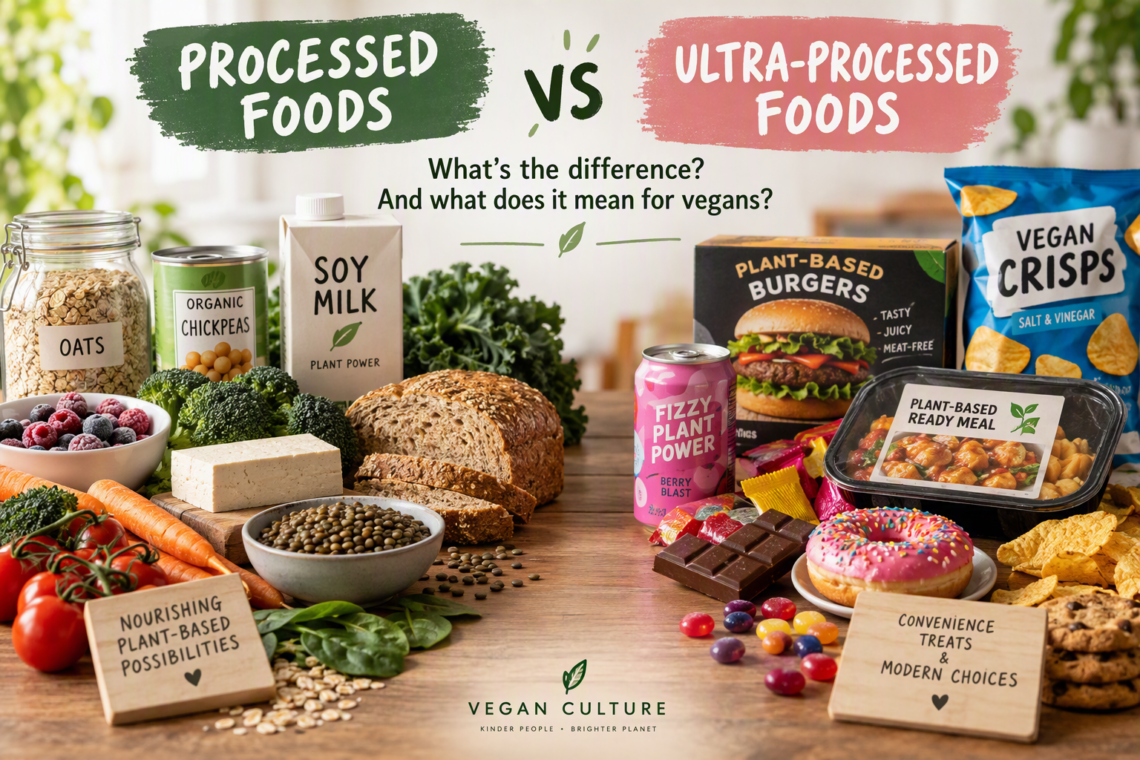
Examples of processed vegan foods include:
- Frozen vegetables
- Tinned beans
- Rolled oats
- Wholemeal bread
- Tofu
- Plant milks
- Dried fruit
- Peanut butter made from peanuts and salt
- Tomato passata
Many of these foods are dietary staples for healthy vegans. In fact, freezing and canning can help preserve nutrients and make healthy foods more accessible and affordable.
For example, dried beans are minimally processed, and canned beans are processed through cooking and preservation, yet both remain highly nutritious foods.
What Are Ultra-Processed Foods?
Ultra-processed foods (UPFs) are industrial formulations that often contain ingredients rarely used in home kitchens, such as flavour enhancers, emulsifiers, colourings, artificial sweeteners, modified starches, and protein isolates. The NOVA classification places these foods in its highest processing category. [britannica.com], [enutritionfacts.com]
Ultra-processed foods are typically designed to be:
- Highly convenient
- Extremely palatable
- Long-lasting
- Ready to eat or heat
Examples of vegan ultra-processed foods may include:
- Some vegan burgers and sausages
- Vegan chicken alternatives
- Some plant-based ready meals
- Vegan sweets and confectionery
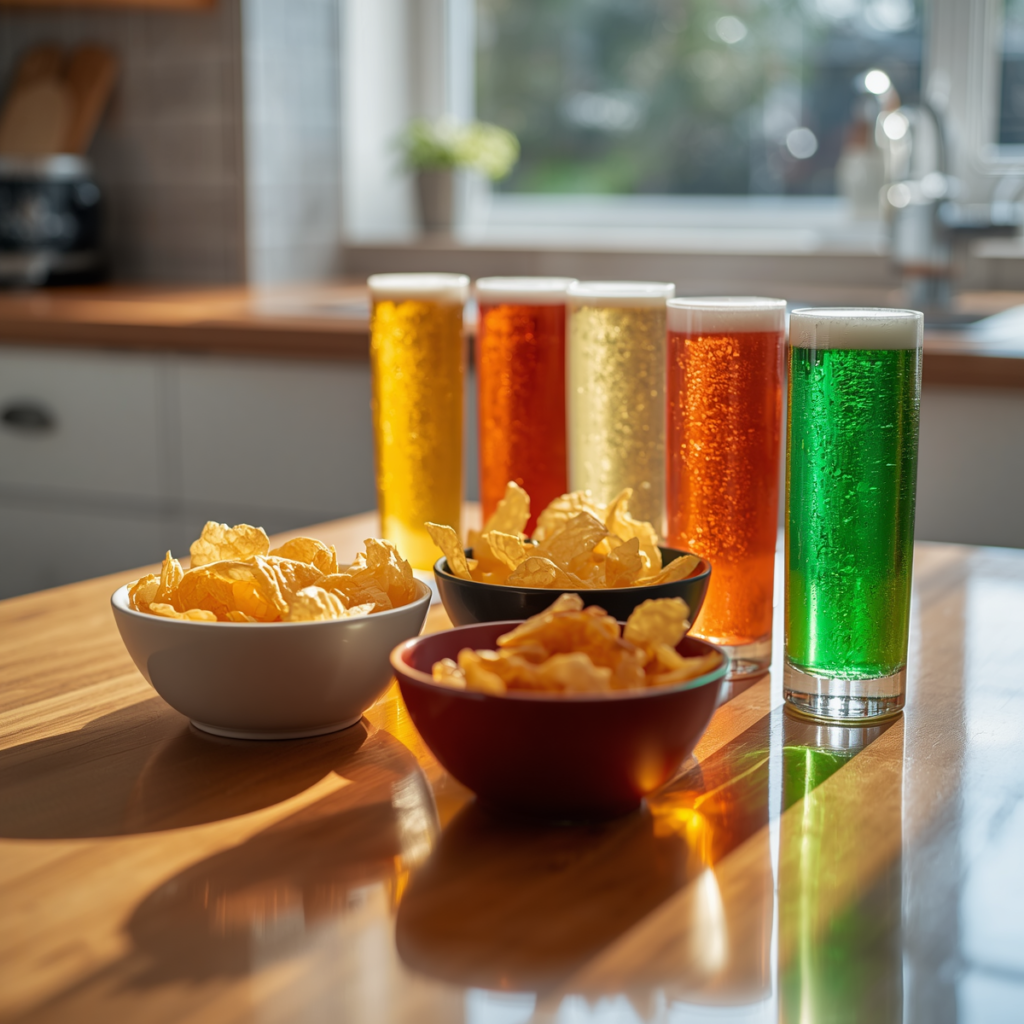
- Many crisps and snack foods
- Soft drinks
- Some flavoured plant-based yoghurts
- Certain breakfast cereals
It’s important to remember that “vegan” does not automatically mean “healthy”. Just as a vegan doughnut is still a doughnut, a vegan sausage roll is still a pastry-based convenience food.
A Vegan Diet Can Be Healthy at Every Level of Processing
One reason the processed food debate can become confusing is that processing and nutrition are not exactly the same thing.
A food can be:
- Highly nutritious and processed
- Less nutritious and minimally processed
For example:
Nutritious Processed Vegan Foods
- Fortified soy milk
- Tofu
- Tempeh
- Frozen berries
- Wholegrain bread
- Hummus
Less Nutritious Vegan Foods
- Sugary energy drinks
- Sweets
- Cakes
- Deep-fried snacks
The key is to look at your overall dietary pattern rather than judging foods solely by their degree of processing.
Why Do Some Vegans Eat Ultra-Processed Foods?
There are several reasons.
Convenience
Modern lifestyles are busy. Ready-made vegan meals can help people maintain a plant-based diet when time is limited.
Transitioning to Veganism
Many new vegans find plant-based meat alternatives helpful when moving away from animal products. Familiar products can make the transition easier and more sustainable.
Accessibility
Not everyone has the time, budget, cooking skills, or access to fresh produce needed to prepare everything from scratch.
Enjoyment
Food is not just fuel. Most people enjoy treats occasionally, whether vegan or not.
The Best Approach for Vegans
Rather than fearing processed foods, many nutrition experts recommend focusing on a foundation of whole and minimally processed plant foods while using processed and ultra-processed foods in moderation.
A balanced vegan diet might include:
- Fruits and vegetables
- Beans, lentils, and peas
- Whole grains
- Nuts and seeds
- Tofu and tempeh
- Fortified plant milks
- Occasional meat alternatives and convenience foods
This approach provides fibre, vitamins, minerals, and plant protein while still allowing flexibility and enjoyment.
How to Spot an Ultra-Processed Food
When shopping, check the ingredients list.
Ultra-processed products often contain:
- Long ingredient lists
- Ingredients you would not typically use at home
- Artificial flavourings
- Emulsifiers
- Colourings
- Modified starches
- Protein isolates
- Intense sweeteners
This does not automatically make them unhealthy, but it can help you understand where a product sits on the processing spectrum.
The Bottom Line
For vegans, the goal should not be to eliminate all processed foods. Many nutritious plant-based staples, including tofu, fortified plant milks, frozen vegetables, oats, and canned beans, are processed foods and can play an important role in a healthy diet.
The real distinction is between processed foods and ultra-processed foods. Processed foods generally remain close to their original ingredients, whereas ultra-processed foods are industrial formulations designed for convenience, flavour, and long shelf life.
A healthy vegan lifestyle is not about perfection. It is about building most meals around whole plant foods while recognising that processed and even ultra-processed foods can still have a place in a practical, enjoyable, and sustainable vegan diet.



One comment on “Processed vs. Ultra-Processed Foods”
Comments are closed.