
In 2025, the UK stands at a crossroads for animal welfare. Keir Starmer’s government has promised to uphold Britain’s reputation as a leader in compassion, but campaigners are watching closely to ensure those promises translate into real protections for animals.
🌱 What Has Been Promised
- Ban on live animal exports: Labour has confirmed it will keep the UK’s ban, sparing farm animals from long, stressful journeys overseas.
- Ending the badger cull: A pledge to replace culling with science-led strategies for bovine TB.
- Pet welfare reforms: Plans to ban puppy farming, tighten import rules, and support families with vet care.
- Wildlife restoration: A commitment to protect 30% of land and sea by 2030, aligning with global biodiversity goals.
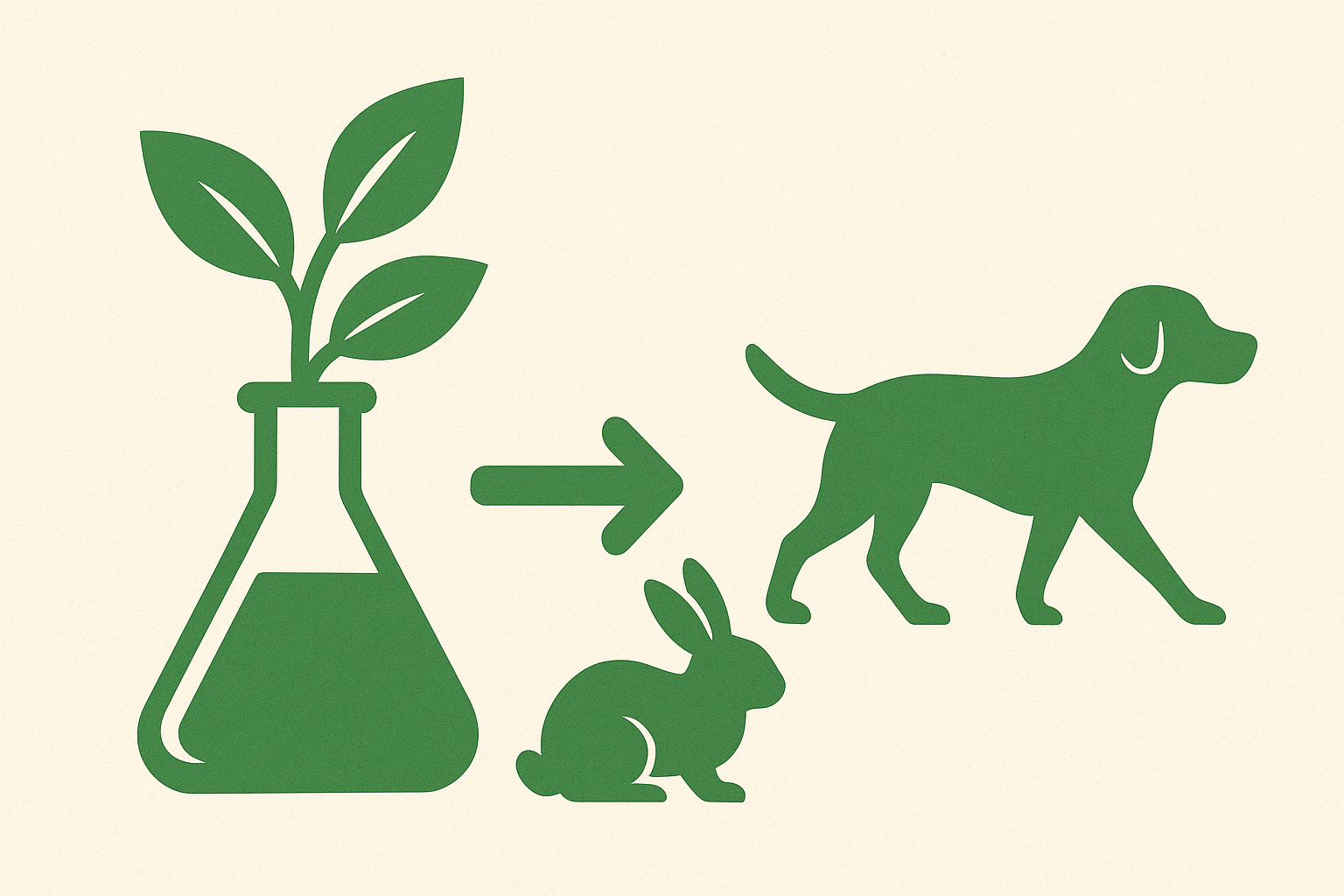
- Animal testing alternatives: Continued investment in organ-on-a-chip and AI research to phase out harmful experiments.
⚖️ The Concerns
- Trade deals: Aligning with EU veterinary standards could risk diluting UK protections.
- Regulatory rollbacks: Campaigners warn some food safety and welfare rules have already been loosened.
- Delivery delays: Welfare legislation has been promised but not yet delivered, leaving animals vulnerable.
💚 Why Vegan Voices Matter
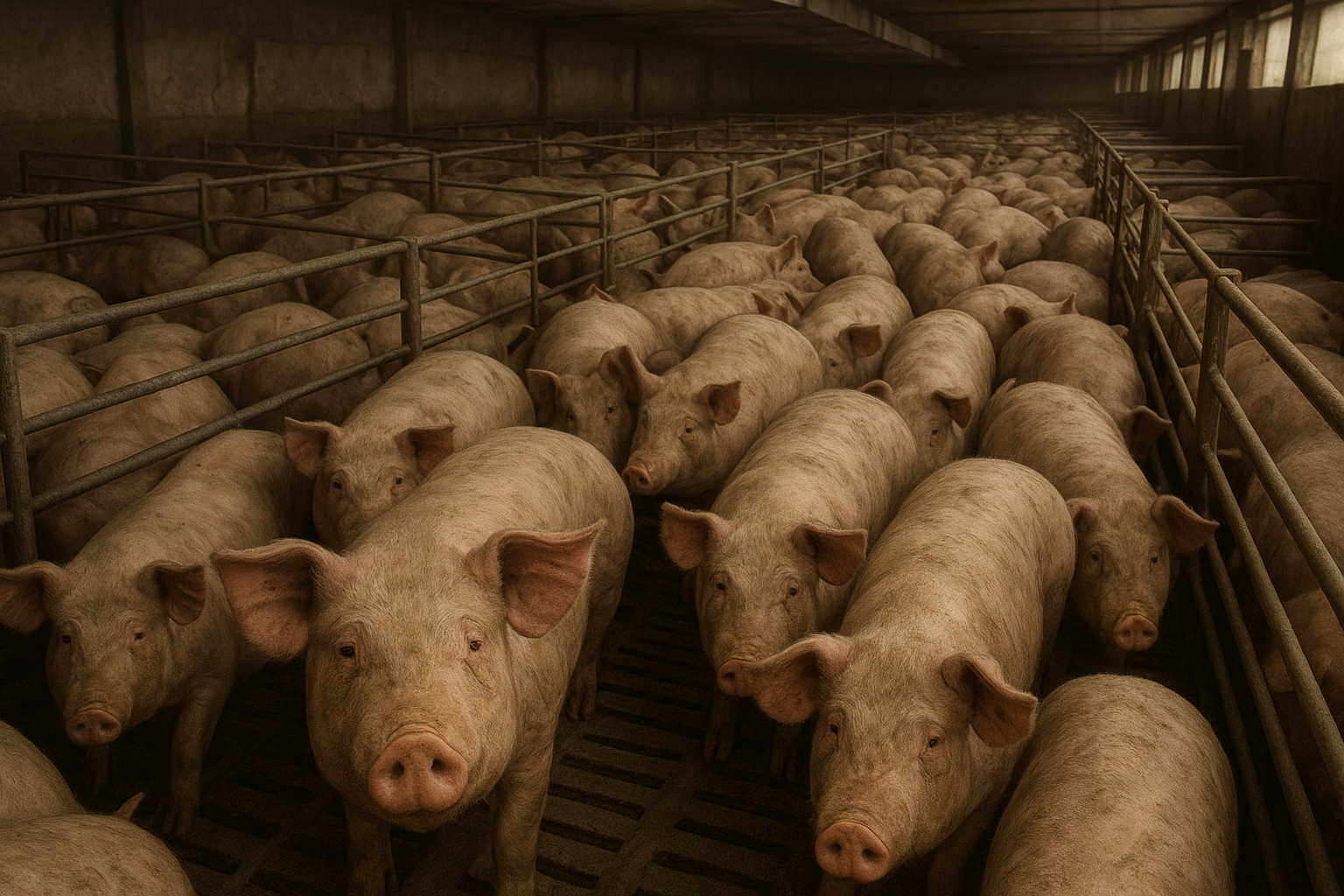
For vegans, these policies are more than politics—they are about compassion in action. Every pledge kept means fewer animals suffering in cages, crates, or laboratories. Every rollback risks undoing decades of progress.
By speaking up, sharing petitions, and educating others, we remind leaders that animal welfare is not negotiable. It is a moral baseline for a kinder society.
This blog is intended for informational and educational purposes only. While every effort is made to ensure accuracy, details about Black Soldier Fly farming, sustainability practices, and industry applications may change over time. Readers should verify information with official sources, manufacturers, or agricultural authorities before making business, dietary, or environmental decisions. The content does not constitute financial, nutritional, or legal advice, and any recommendations are shared for general guidance only.