Where Do Vegans Get Their Protein? The Complete Guide to Plant-Powered Protein
Discover the best vegan protein sources, how much protein you really need, and why a well-planned vegan diet can provide all the protein required for a healthy lifestyle.
Protein is one of the most frequently discussed topics when people consider a vegan lifestyle. Friends, family members, and even strangers often ask the same question: “But where do vegans get their protein?”
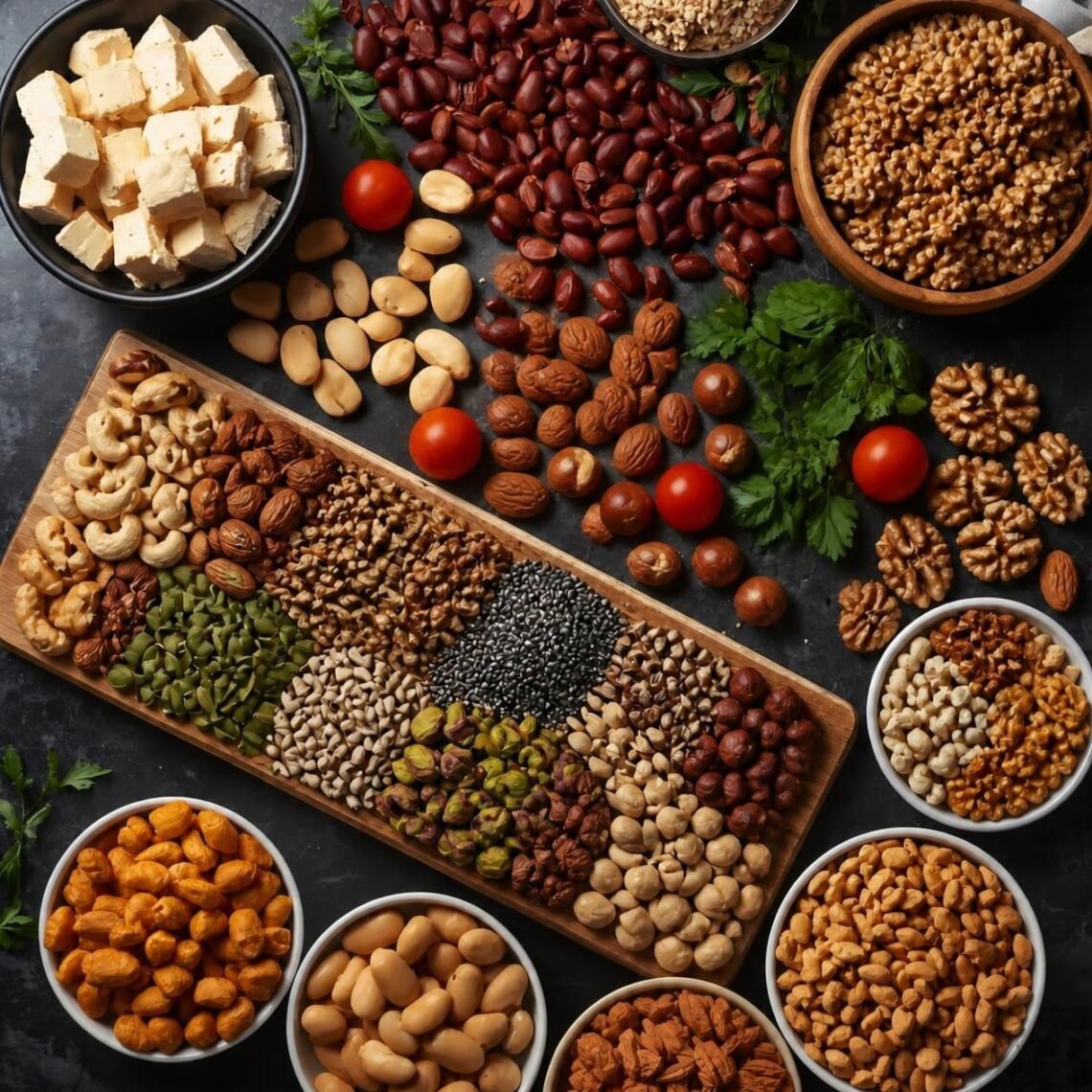
The simple answer is that protein is found in a wide variety of plant foods. From beans and lentils to tofu, nuts, seeds, and whole grains, vegans have countless options for meeting their daily protein needs without consuming animal products.
Why Protein Matters
Protein is an essential nutrient that helps the body:
- Build and repair muscles
- Produce enzymes and hormones
- Support healthy skin, hair, and nails
- Maintain a strong immune system
- Keep us feeling fuller for longer
Proteins are made up of amino acids, often referred to as the building blocks of life. While some people believe that animal products are necessary for obtaining all essential amino acids, research shows that eating a varied plant-based diet provides everything the body needs.
The Best Vegan Protein Sources
1. Lentils
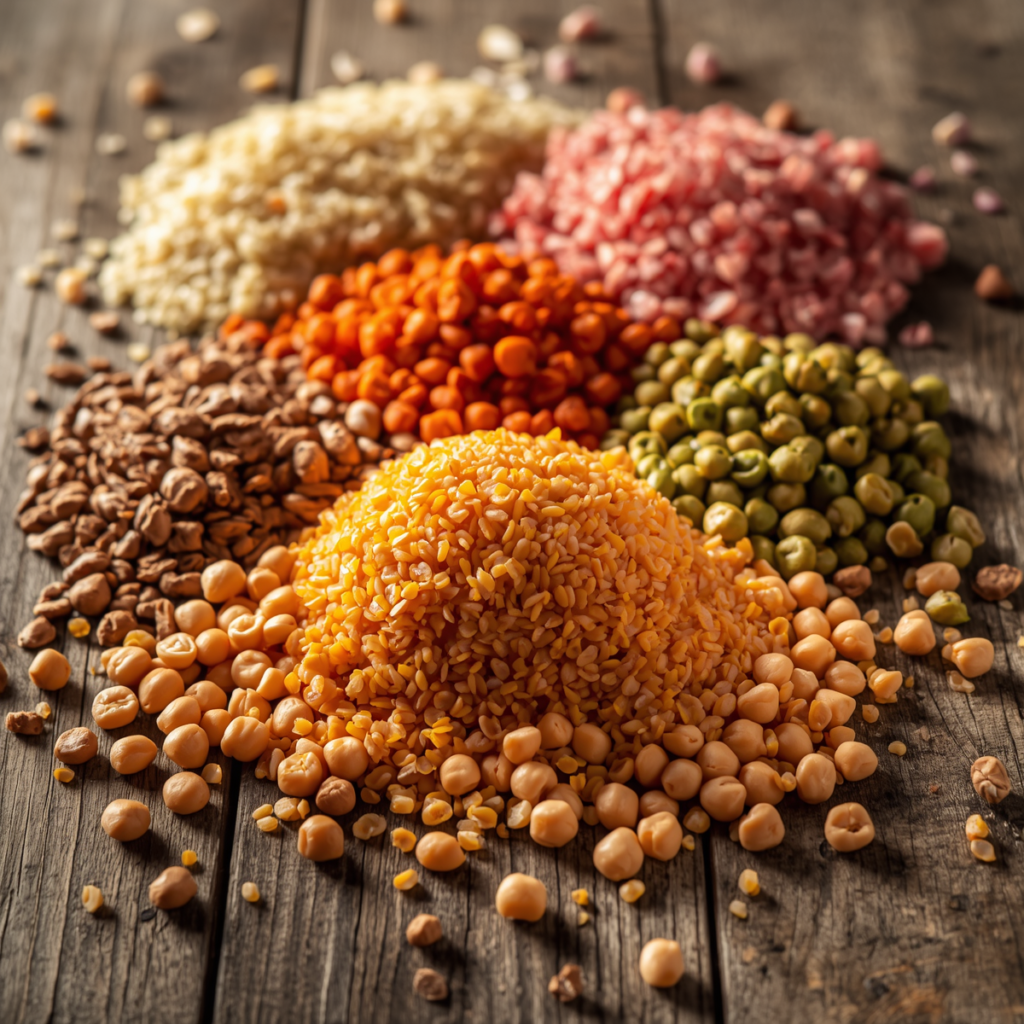
Lentils are one of the most affordable and nutritious protein-rich foods available.
Benefits:
- High in protein
- Rich in fibre
- Excellent source of iron
- Supports heart health
Popular uses:
- Soups
- Curries
- Stews
- Vegan shepherd’s pie
2. Chickpeas
Chickpeas are a versatile vegan staple found in many cuisines around the world.
Benefits:
- High protein content
- Rich in fibre
- Contains important minerals including manganese and folate
Popular uses:
- Hummus
- Salads
- Roasted snacks
- Curries
3. Beans
Kidney beans, black beans, butter beans, and cannellini beans all provide substantial amounts of protein.
Benefits:
- Protein-rich
- Budget-friendly
- High fibre content
- Supports digestive health
Popular uses:
- Chilli
- Burritos
- Bean burgers
- Salads
4. Tofu
Made from soybeans, tofu is one of the most popular vegan protein sources.
Benefits:
- Complete protein
- Versatile flavour
- Low in saturated fat
- Rich in calcium when fortified
Popular uses:
- Stir-fries
- Scrambles
- Sandwiches
- Curry dishes
5. Tempeh
Tempeh is made from fermented soybeans and offers a firm texture and nutty flavour.
Benefits:
- High protein content
- Contains probiotics from fermentation
- Excellent meat alternative
Popular uses:
- Sandwiches
- Stir-fries
- Barbecues
- Grain bowls
6. Edamame
These young soybeans are both nutritious and delicious.
Benefits:
- Complete protein
- Rich in fibre
- Contains vitamins and minerals
Popular uses:
- Snacks
- Salads
- Rice dishes
7. Nuts and Nut Butters
Almonds, peanuts, walnuts, cashews, and their respective nut butters contribute valuable protein.
Benefits:
- Healthy fats
- Protein
- Vitamin E
- Magnesium
Popular uses:
- Breakfast bowls
- Smoothies
- Snacks
- Baking
8. Seeds
Chia, hemp, pumpkin, sunflower, and flaxseeds all help boost protein intake.
Benefits:
- Protein-rich
- Rich in omega-3 fats
- Packed with minerals
Popular uses:
- Smoothies
- Porridge
- Salads
- Homemade energy bars
9. Quinoa
Unlike many grains, quinoa contains all nine essential amino acids.
Benefits:
- Complete protein
- Gluten-free
- Rich in fibre
Popular uses:
- Salads
- Side dishes
- Vegan burgers
10. Oats
Oats are often overlooked as a protein source.
Benefits:
- Protein
- Fibre
- Slow-release energy
Popular uses:
- Porridge
- Overnight oats
- Smoothies
- Baking
Do Vegans Need to Combine Proteins?
This is one of the biggest myths surrounding plant-based nutrition.
Years ago, it was believed that vegans needed to carefully combine proteins at every meal. Modern nutritional understanding suggests that consuming a variety of plant foods throughout the day is generally sufficient for obtaining all the essential amino acids the body requires.
A balanced vegan diet that includes legumes, grains, nuts, seeds, fruits, and vegetables provides an excellent range of nutrients and amino acids.
High-Protein Vegan Meal Ideas
Protein-Packed Breakfast
- Porridge topped with chia seeds, hemp seeds, and peanut butter
Filling Lunch
- Chickpea and quinoa salad with mixed vegetables
Hearty Dinner
- Lentil and vegetable cottage pie with steamed greens
Healthy Snacks
- Roasted chickpeas
- Edamame beans
- Mixed nuts and seeds
- Hummus with vegetable sticks
What About Athletes and Active People?
Many professional athletes now follow plant-based diets. Active individuals can meet their protein requirements by increasing portions of protein-rich plant foods and ensuring adequate calorie intake.
Popular choices include:
- Tofu
- Tempeh
- Lentils
- Beans
- Soy milk
- Pea protein products
- Seitan
With proper meal planning, vegan diets can support strength training, endurance sports, and muscle maintenance.
Common Protein Myths About Veganism
Myth: Vegans Don’t Get Enough Protein
Reality: Most people in developed countries consume more protein than the minimum required.
Myth: Plant Protein Is Inferior
Reality: Plant proteins provide essential amino acids and can fully support health when consumed as part of a varied diet.
Myth: You Need Meat to Build Muscle
Reality: Muscles require protein and exercise, not meat specifically.
The Bottom Line
The question should not be “Where do vegans get protein?” but rather “Which of the many plant protein sources do they choose?”
From lentils and beans to tofu, tempeh, nuts, seeds, and whole grains, the vegan diet offers a huge range of protein-rich foods. A varied and balanced plant-based diet can provide all the protein needed for health, fitness, and everyday living.
Whether you’re a long-time vegan or simply curious about eating more plant-based meals, protein is one nutrient that is surprisingly easy to obtain from plants.


One comment on “Where Do Vegans Get Their Protein? The Complete Guide to Plant-Powered Protein”