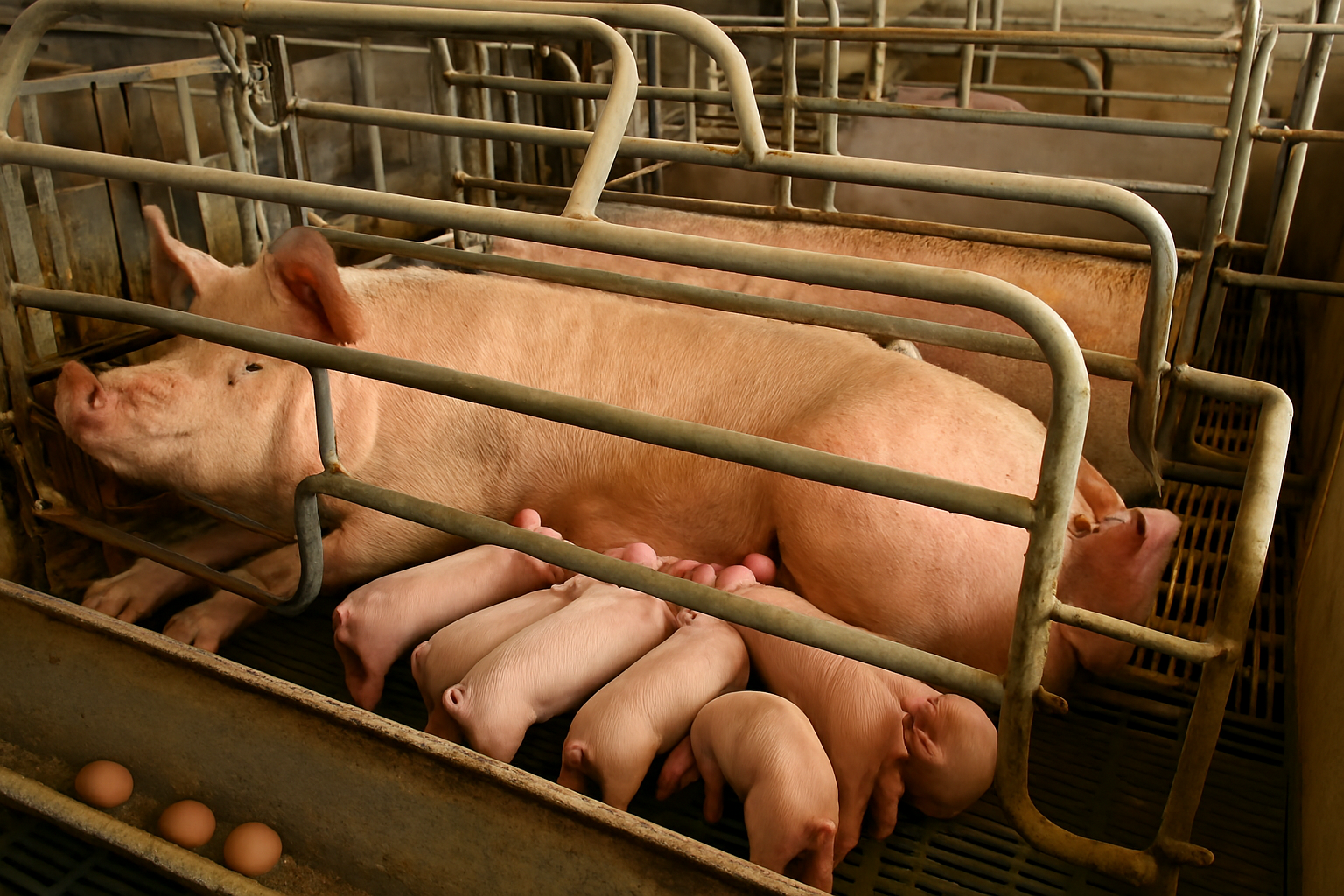
Conventional farrowing crates confine sows so tightly that they cannot even turn around. This system has long been criticised for its cruelty, denying pigs the ability to express natural behaviours. Flexible farrowing systems provide sows with more space and only allow temporary confinement when piglet safety is at risk. While this is still far from true freedom, it is undeniably less restrictive than the outdated crates.
From a vegan standpoint, the real solution is ending animal farming altogether. Yet, if pigs are to be bred and raised, minimising suffering must be non-negotiable. Flexible farrowing is not perfect, but it is better.
Why Is the UK Behind?
- European retailers already source pork from farms using flexible farrowing systems.
- Defra is monitoring EU policy, but has yet to commit to mandatory change.
- The National Pig Association (NPA) has proposed only a voluntary, industry-led transition.
- Compassion in World Farming has identified economic pressures, knowledge gaps, and supply chain misalignment as barriers to progress.
In short, the UK is dragging its feet while Europe moves ahead. This delay raises serious ethical questions: why should British pigs endure harsher conditions when proven alternatives exist?
The Bigger Picture: Animal Welfare and Ethics
Even with flexible systems, pigs remain commodities in a system that prioritises profit over welfare. Temporary confinement is still confinement. From a vegan perspective, the only truly humane solution is to stop breeding and exploiting animals altogether. However, until society embraces plant-based alternatives, we must demand higher welfare standards.
Conclusion
The UK pig industry’s slow progress on flexible farrowing is unacceptable. Europe is already ahead, proving that change is possible. As vegans, we reject confinement entirely—but if pigs are to be farmed, flexible farrowing is a step toward reducing suffering. The UK must stop hiding behind voluntary measures and legislate for better welfare. Ultimately, the future lies in plant-based food systems where animals are no longer exploited.
Conventional farrowing crates confine sows so tightly that they cannot even turn around. This system has long been criticised for its cruelty, denying pigs the ability to express natural behaviours. Flexible farrowing systems provide sows with more space and only allow temporary confinement when piglet safety is at risk. While this is still far from true freedom, it is undeniably less restrictive than the outdated crates.
From a vegan standpoint, the real solution is ending animal farming altogether. Yet, if pigs are to be bred and raised, minimising suffering must be non-negotiable. Flexible farrowing is not perfect, but it is better.
Why Is the UK Behind?
- European retailers already source pork from farms using flexible farrowing systems.
- Defra is monitoring EU policy, but has yet to commit to mandatory change.
- The National Pig Association (NPA) has proposed only a voluntary, industry-led transition.
- Compassion in World Farming has identified economic pressures, knowledge gaps, and supply chain misalignment as barriers to progress.
In short, the UK is dragging its feet while Europe moves ahead. This delay raises serious ethical questions: why should British pigs endure harsher conditions when proven alternatives exist?
The Bigger Picture: Animal Welfare and Ethics
Even with flexible systems, pigs remain commodities in a system that prioritises profit over welfare. Temporary confinement is still confinement. From a vegan perspective, the only truly humane solution is to stop breeding and exploiting animals altogether. However, until society embraces plant-based alternatives, we must demand higher welfare standards.
Conclusion
The UK pig industry’s slow progress on flexible farrowing is unacceptable. Europe is already ahead, proving that change is possible. As vegans, we reject confinement entirely—but if pigs are to be farmed, flexible farrowing is a step toward reducing suffering. The UK must stop hiding behind voluntary measures and legislate for better welfare. Ultimately, the future lies in plant-based food systems where animals are no longer exploited.
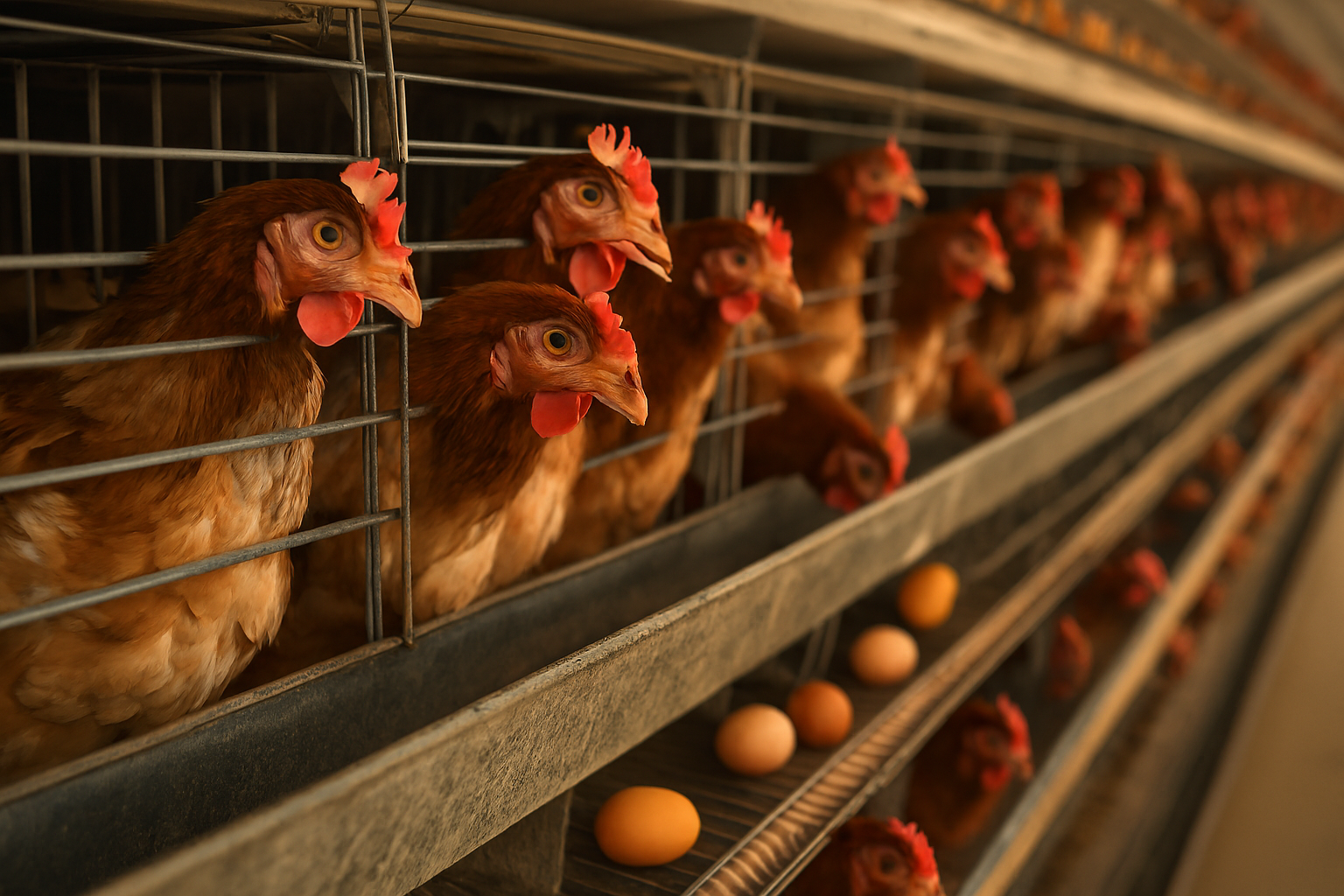
The picture is for illustration only; it does not represent either furrows or flexible furrows.
This blog is intended for informational and educational purposes only. While every effort is made to ensure accuracy, sustainability practices and industry applications may change over time. Readers should verify information with official sources, manufacturers, or agricultural authorities before making business, dietary, or environmental decisions. The content does not constitute financial, nutritional, or legal advice, and any recommendations are shared for general guidance only.