A Landmark Victory for Animal Welfare. After 73 years of greyhound racing, Swindon’s Abbey Stadium has finally closed its track for good — and for many of us who care deeply about animals, compassion, and ethical progress, this is genuinely good news. On 27 December 2025, the stadium hosted its final race before shutting permanently, marking the end of an industry long criticised for cruelty, injuries, and exploitation. For animal‑rights advocates, this moment represents a powerful shift in public values — away from using animals for entertainment and toward a kinder, more conscious society. 🌱 Why This Closure Matters For…

-
-
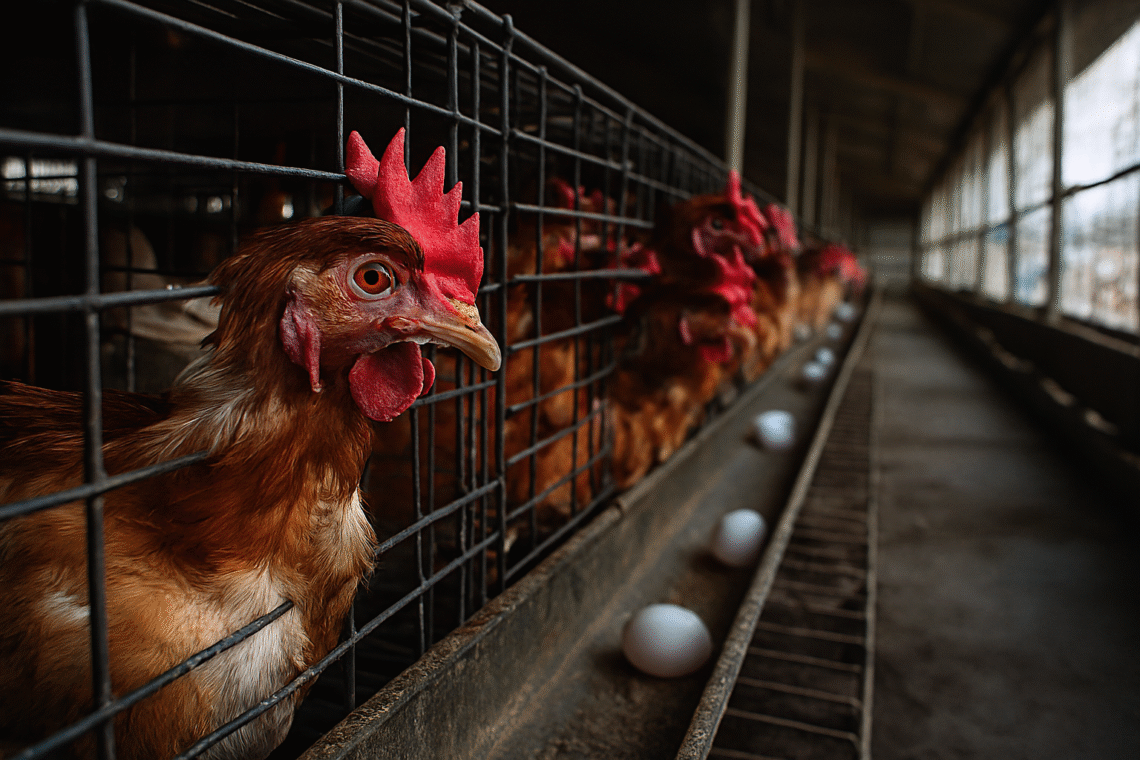
What DEFRA Has Promised According to the official announcement, the new Animal Welfare Strategy includes several headline commitments: Ending the cruel practice of puppy farming, where breeding dogs are kept in appalling conditions and overbred. Banning snares, which cause prolonged suffering to wildlife. Strengthening protections for dogs and wildlife, building on recent laws against puppy smuggling. Major reforms to farming systems, including plans to ban caged hens and address confinement systems for pigs. A “comprehensive programme of reforms” affecting pets, farm animals, and wildlife across England. On paper, this is huge. Ending cages, ending snares, ending puppy farming—these are long‑fought…
-
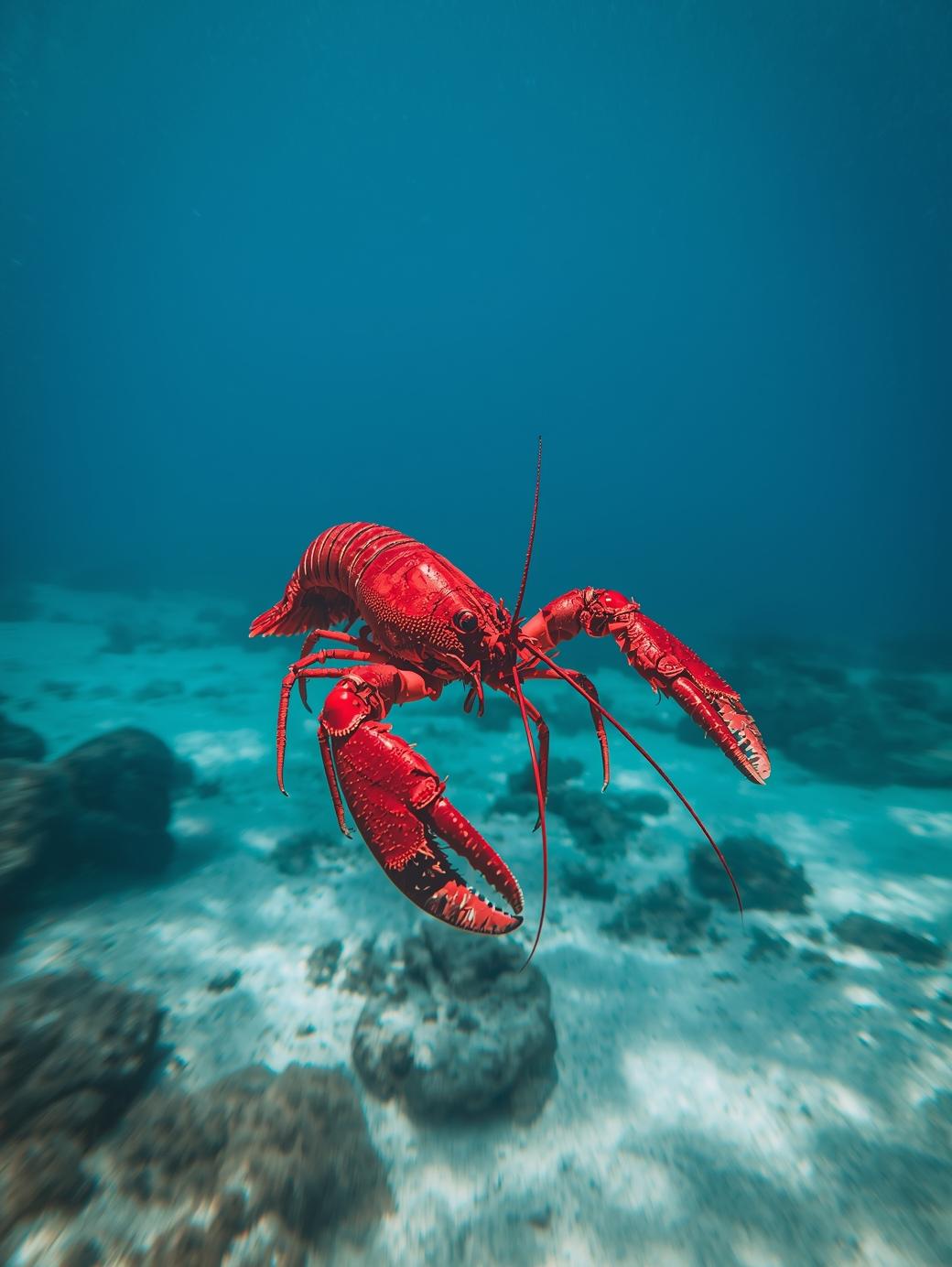
The UK is taking a long‑overdue step forward for animal welfare. According to recent reporting, Labour’s new animal‑welfare strategy confirms that boiling live lobsters, crabs and other decapods will be banned, with the government stating clearly that “live boiling is not an acceptable killing method.” For many, this is a landmark moment. For those of us who care deeply about animal rights — and especially for vegans — it’s progress worth acknowledging, but also a reminder of how far we still have to go. 🔍 What the New Ban Actually Covers Boiling live lobsters and crabs will be prohibited, ending…
-
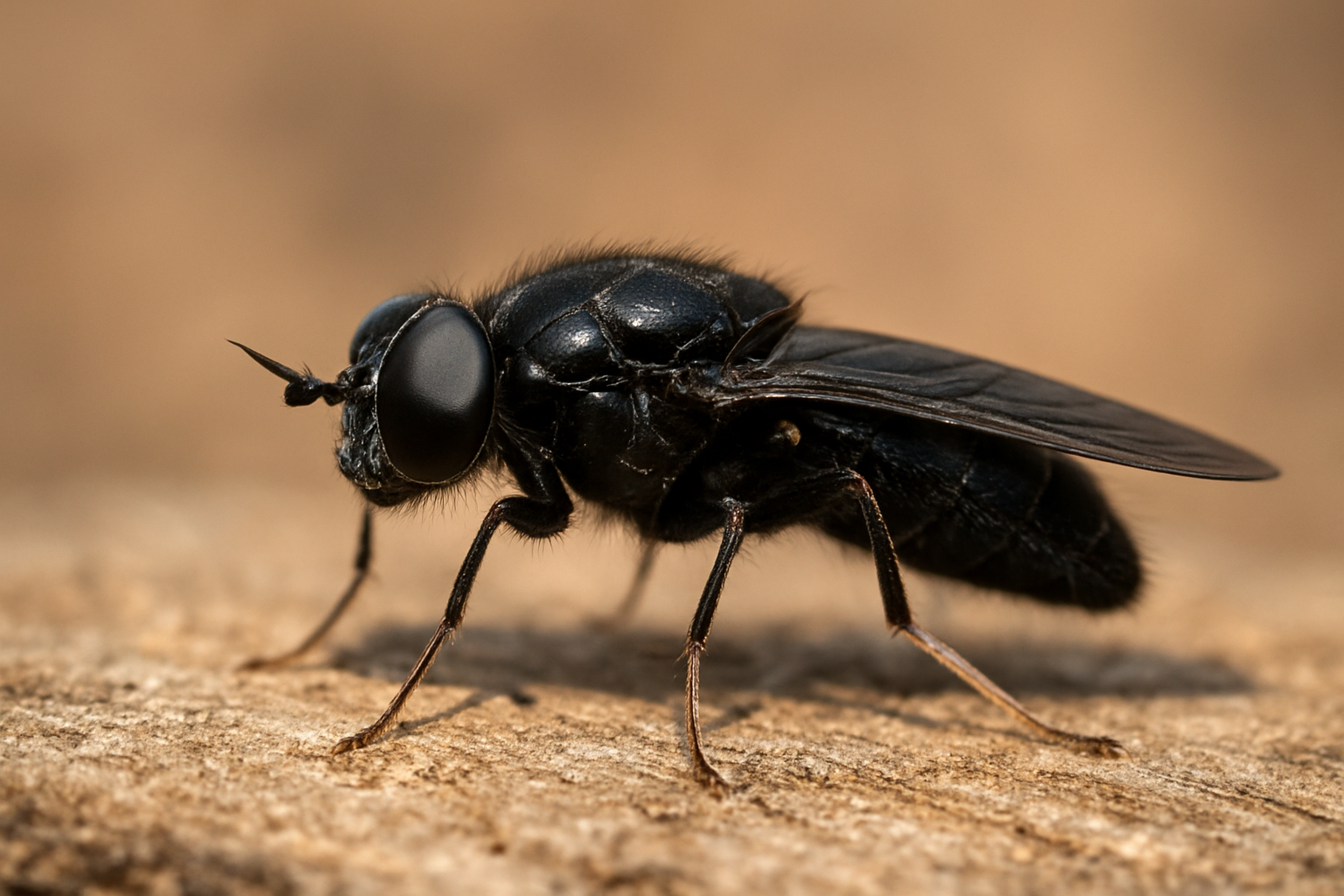
In recent farming news, animal nutrition companies are experimenting with black soldier fly oil as a fat source in calf milk replacers. At first glance, this may sound innovative—an eco‑friendly alternative to palm oil or animal fats. But when we look deeper, the story reveals uncomfortable truths about the dairy industry, insect farming, and the way humans reshape food chains for profit.