
On 22 December 2025, DEFRA unveiled what it calls “the biggest animal welfare reforms in a generation”. For anyone who cares about animals—vegans, campaigners, and everyday consumers—this sounds like the kind of news we’ve been waiting years to hear. But as with every government announcement, especially one wrapped in warm language and festive timing, the real question is: will these reforms actually change animals’ lives, or are they another political smoke screen?
Let’s break it down.
🌟 What DEFRA Has Promised
According to the official announcement, the new Animal Welfare Strategy includes several headline commitments:
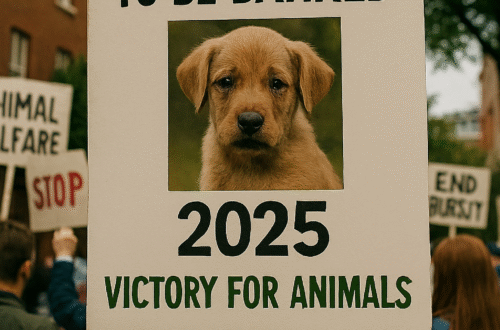
- Ending the cruel practice of puppy farming, where breeding dogs are kept in appalling conditions and overbred.
- Banning snares, which cause prolonged suffering to wildlife.
- Strengthening protections for dogs and wildlife, building on recent laws against puppy smuggling.
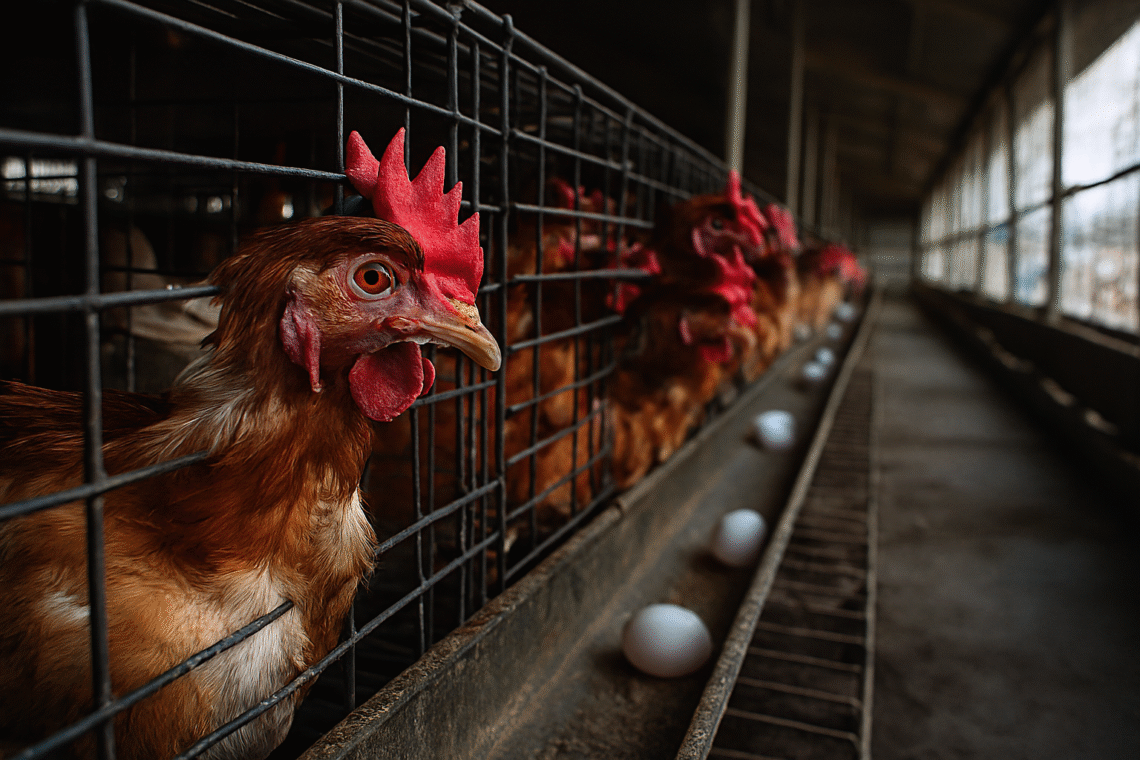
- Major reforms to farming systems, including plans to ban caged hens and address confinement systems for pigs.
- A “comprehensive programme of reforms” affecting pets, farm animals, and wildlife across England.
On paper, this is huge. Ending cages, ending snares, ending puppy farming—these are long‑fought battles for animal advocates.
But paper is easy. Implementation is hard.
🔍 Is This Genuine Progress—or Clever PR?
1. The language is ambitious… maybe too ambitious
Calling this the “most ambitious animal welfare reform in a generation” sets expectations sky‑high. But the announcement is light on timelines, enforcement mechanisms, and funding. Without those, even the best‑sounding reforms can stall.
2. Some promises repeat old promises
For example, banning cages for hens has been discussed for years. The new strategy “includes plans” to ban them, but “plans” are not legislation. Until a ban is written into law with a clear transition period, it remains a political aspiration.
3. Farmed animals still face the biggest welfare gaps
The strategy acknowledges that over 150 million farmed animals are affected by welfare standards. Yet the announcement focuses heavily on pets and wildlife. Farmed animals—who make up the overwhelming majority of suffering—need more than vague commitments.
4. Enforcement is everything
Ending puppy farming, for example, requires:
- inspections
- licensing reform
- funding
- cross‑border cooperation
- prosecution capacity
The announcement does not yet explain how these will be delivered.
5. The timing is politically convenient
Releasing a major “good news” story on 21–22 December—when scrutiny is low, and headlines are easy—raises eyebrows. It’s a classic moment for governments to announce something that sounds transformative.
🌱 Why This Still Matters
Even with the caveats, this announcement is not nothing.
- It signals a shift in public expectations: cruelty is no longer politically acceptable.
- It gives campaigners leverage: “You promised this—now deliver it.”
- It creates momentum for legislative change in 2026.
- It reflects growing public support for animal protection, plant‑based diets, and ethical farming.
For vegans and animal advocates, this is a moment to stay hopeful—but vigilant.
🧭 What Needs to Happen Next
To ensure this isn’t just a glossy press release, we need:
- Clear timelines for each reform.
- Draft legislation was published early in 2026.
- Independent oversight to monitor progress.
- Funding for enforcement, inspections, and transition support for farmers.
- Public transparency on what is actually changing on the ground.
Without these, the reforms risk becoming another “strategy” that gathers dust.
✨ Final Thoughts
DEFRA’s announcement could mark a turning point for animal welfare in the UK. It contains genuinely meaningful proposals—ending puppy farming, banning snares, phasing out cages—that would improve millions of lives if implemented fully.
But the gap between announcement and action is where animals have historically been failed.
This is a moment for cautious optimism—and determined accountability. If the government follows through, this could be a landmark year for animal protection. If not, it will be yet another example of political theatre dressed up as compassion.
Disclaimer: This blog post reflects the author’s interpretation of DEFRA’s public announcement dated 22 December 2025. While every effort has been made to ensure accuracy, the information presented is not official government policy and may be subject to change. The images used are AI-generated and intended for illustrative purposes only. Readers are encouraged to consult DEFRA’s official publications for the most current and detailed updates on animal welfare legislation.
Either way, the pressure must stay on.


One comment on “DEFRA’s Biggest Animal Welfare Reforms in a Generation”
Comments are closed.