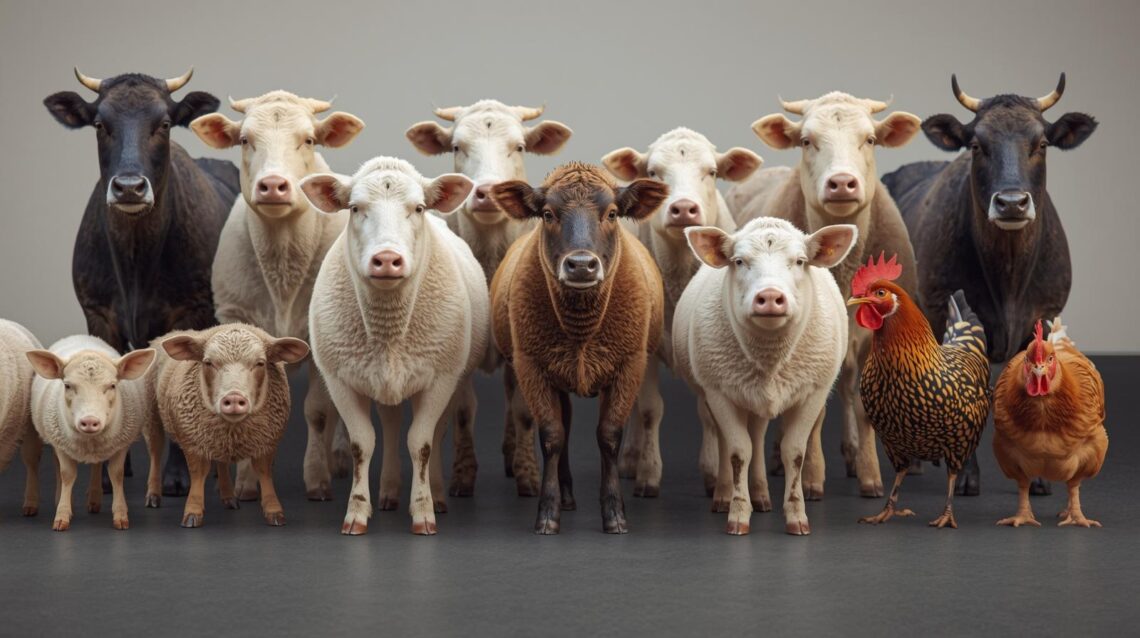
One of the most inspiring aspects of veganism is the number of lives spared through everyday choices. While the exact figures vary depending on the source, the message is clear: going vegan saves animals—hundreds each year, thousands over a lifetime.
-
-
📈 Climate and Animal Protection Policies The UK government is weaving animal welfare and environmental protection into its climate strategy. Key initiatives include: These measures protect ecosystems, reduce emissions, and indirectly support plant-based lifestyles by shifting focus away from intensive animal agriculture. 🌱 Promoting Plant-Rich Diets for Global Warming While the government doesn’t explicitly tell people to “go vegan,” it does encourage flexitarian eating—reducing meat and dairy consumption—as part of its net-zero strategy. This is framed as: This approach makes veganism more accessible by normalising plant-rich diets. 🚜 Grants for Farmers Responding to Climate Change Farmers are central to climate…
-
💚 Congratulations on Choosing Change If you’re reading this, you’ve already made one of the most compassionate and impactful decisions of your life. Whether you’re curious, committed, or somewhere in between—welcome to Vegan Culture. This space is here to support you with kindness, facts, and practical tips. 🐾 Your Impact Starts Now By going vegan, you’re not just changing your plate—you’re changing the world. On average, every vegan saves around 365 animals per year, including land animals and fish. That’s one life every single day. And the environmental impact? It’s huge. Every day you’re vegan, you save: That’s not just…
-
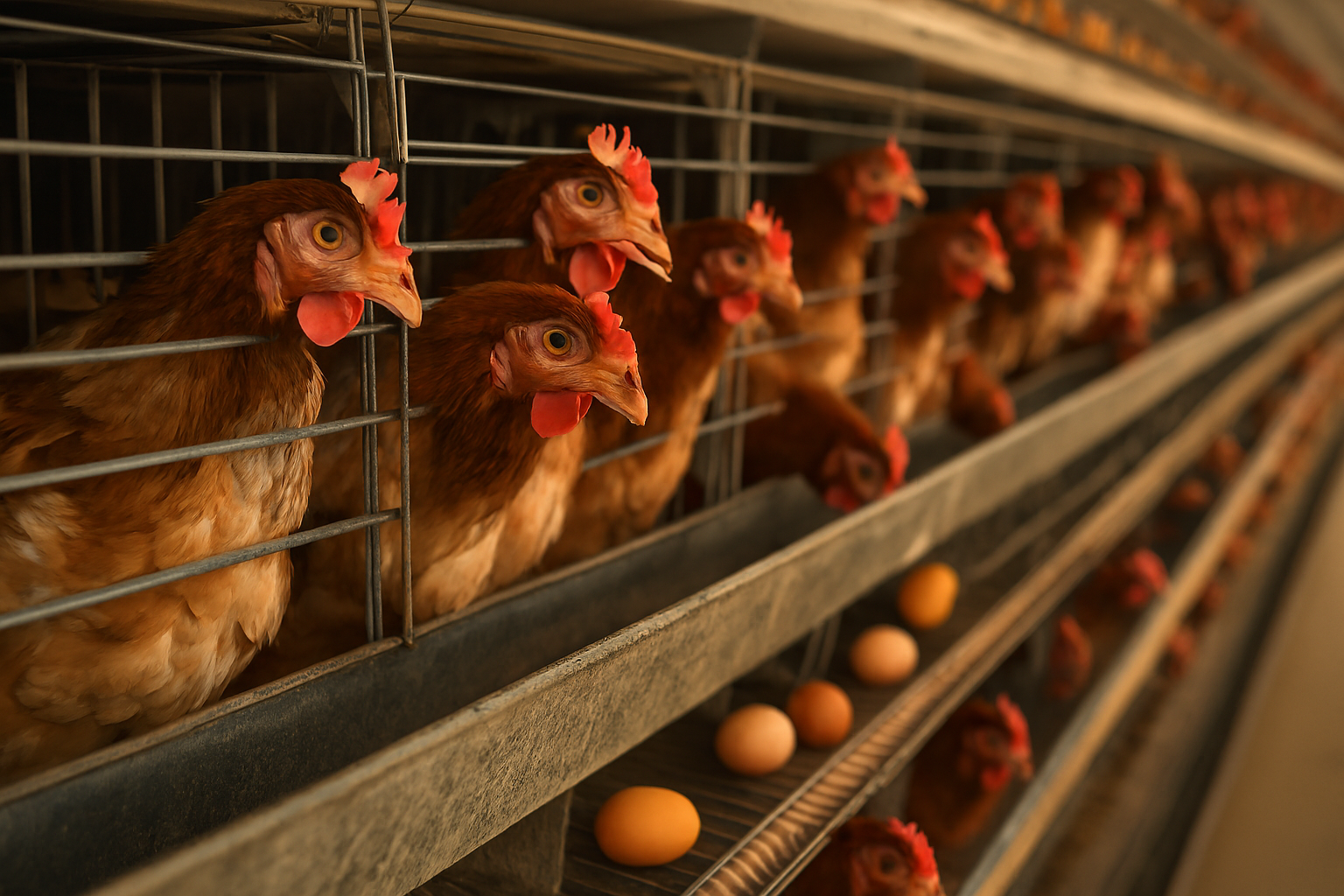
In June 2025, the UK Parliament debated a petition signed by more than 109,000 citizens, demanding an end to cages in farming. Compassion in World Farming, supported by campaigners such as Deborah Meaden, helped bring the issue into the spotlight. The debate raised the possibility of a total ban on poultry cages by 2027.
-
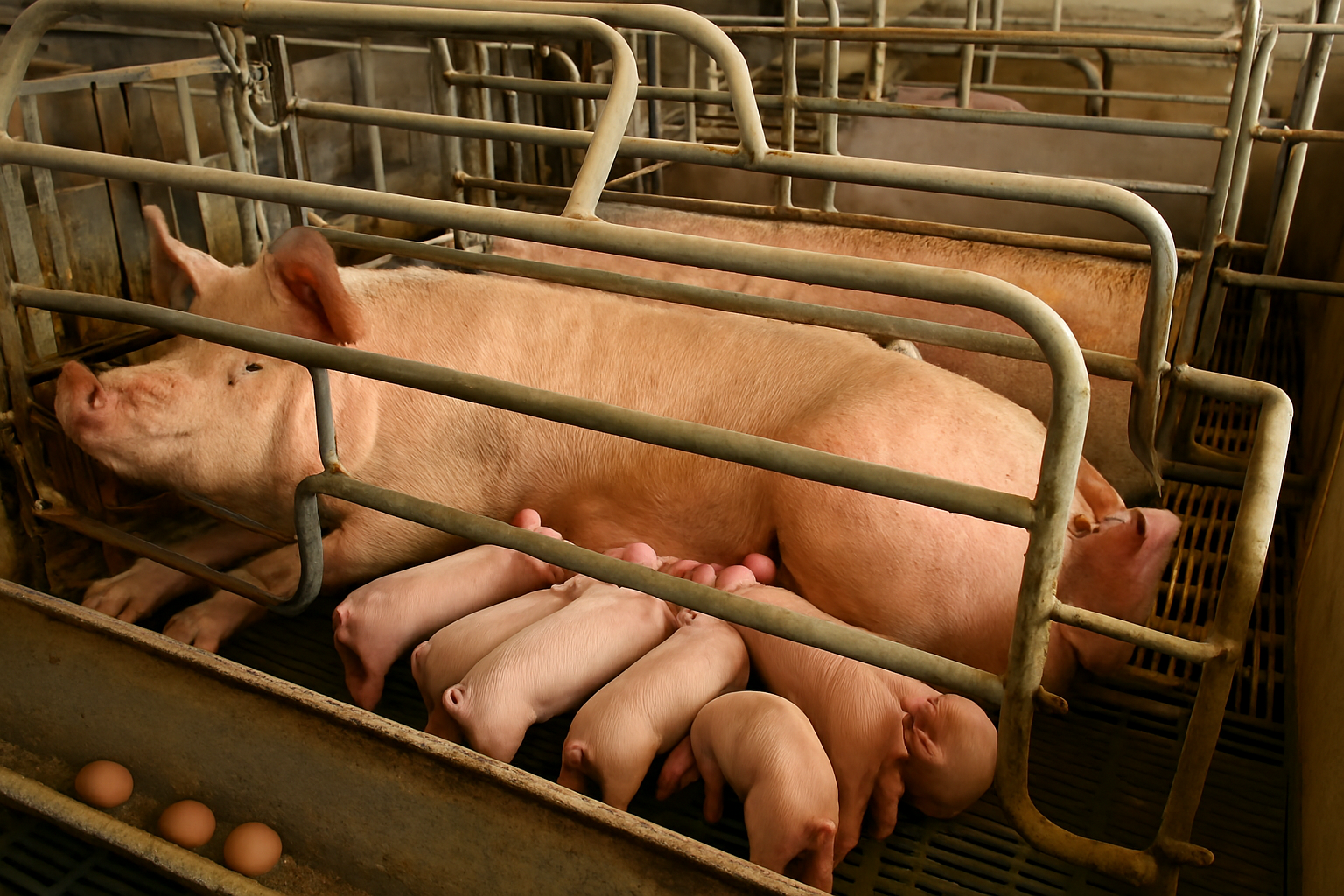
Conventional farrowing crates confine sows so tightly that they cannot even turn around. This system has long been criticised for its cruelty, denying pigs the ability to express natural behaviours. Flexible farrowing systems provide sows with more space and only allow temporary confinement when piglet safety is at risk. While this is still far from true freedom, it is undeniably less restrictive than the outdated crates.
-
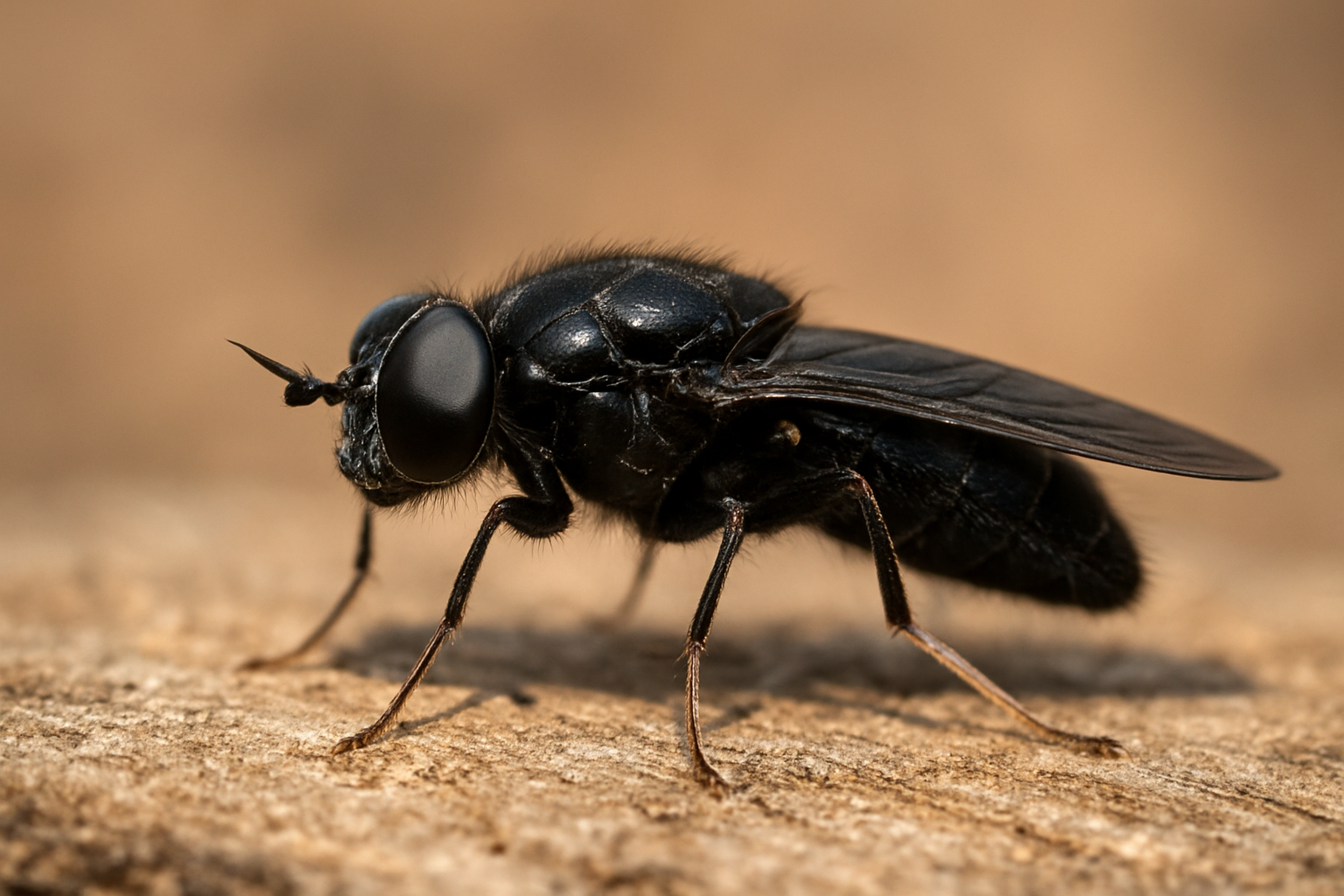
In recent farming news, animal nutrition companies are experimenting with black soldier fly oil as a fat source in calf milk replacers. At first glance, this may sound innovative—an eco‑friendly alternative to palm oil or animal fats. But when we look deeper, the story reveals uncomfortable truths about the dairy industry, insect farming, and the way humans reshape food chains for profit.
-
In 2025, the UK stands at a crossroads for animal welfare. Keir Starmer’s government has promised to uphold Britain’s reputation as a leader in compassion, but campaigners are watching closely to ensure those promises translate into real protections for animals.
-
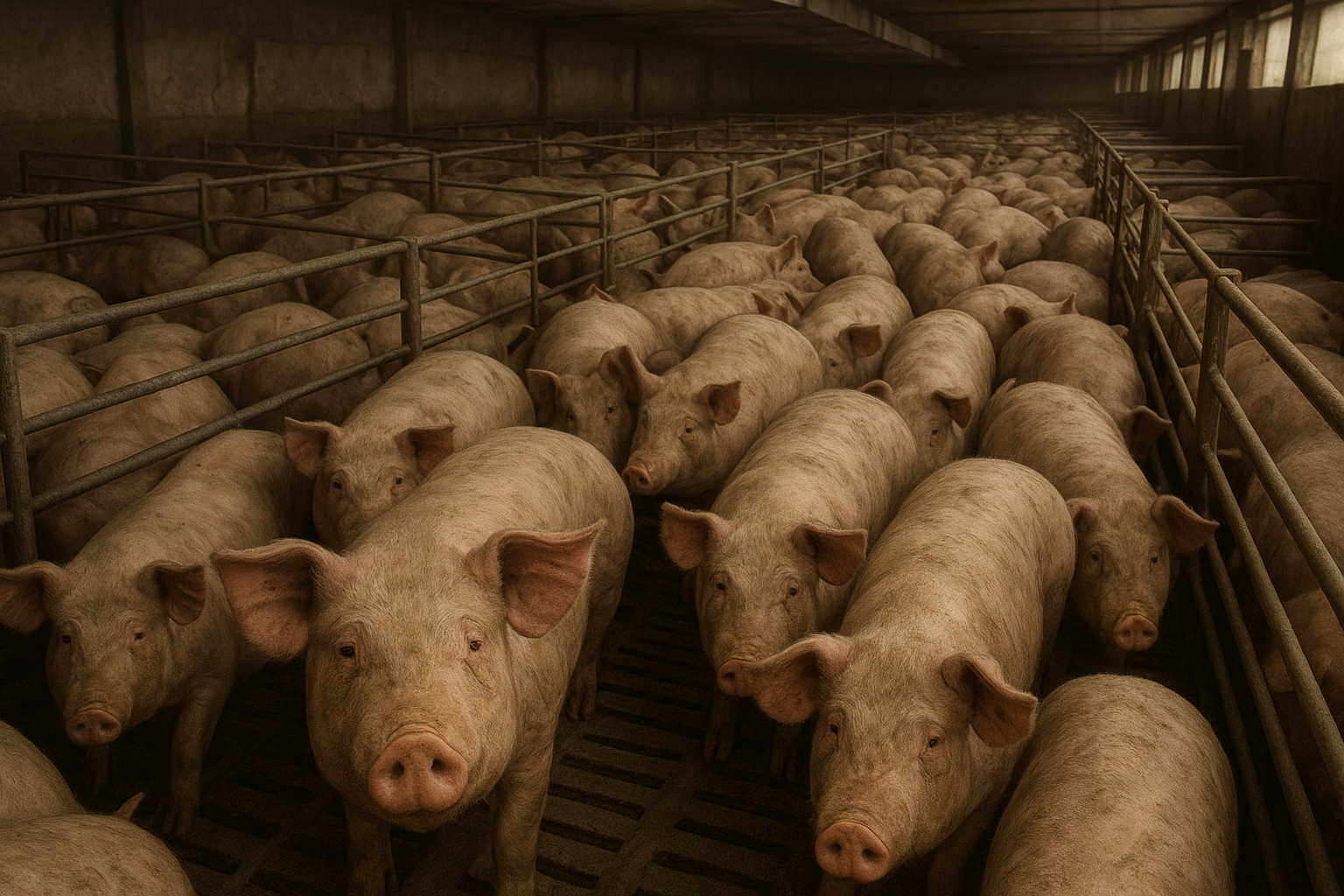
When governments and industry leaders talk about “precision breeding” in farm animals, they frame it as innovation: a way to make livestock more resilient, more productive, and better suited to modern agriculture. But let’s be clear — this technology is not about solving the bigger picture. It’s about propping up factory farming, keeping animals trapped in systems that exploit them, and deepening the very crises we face.
-
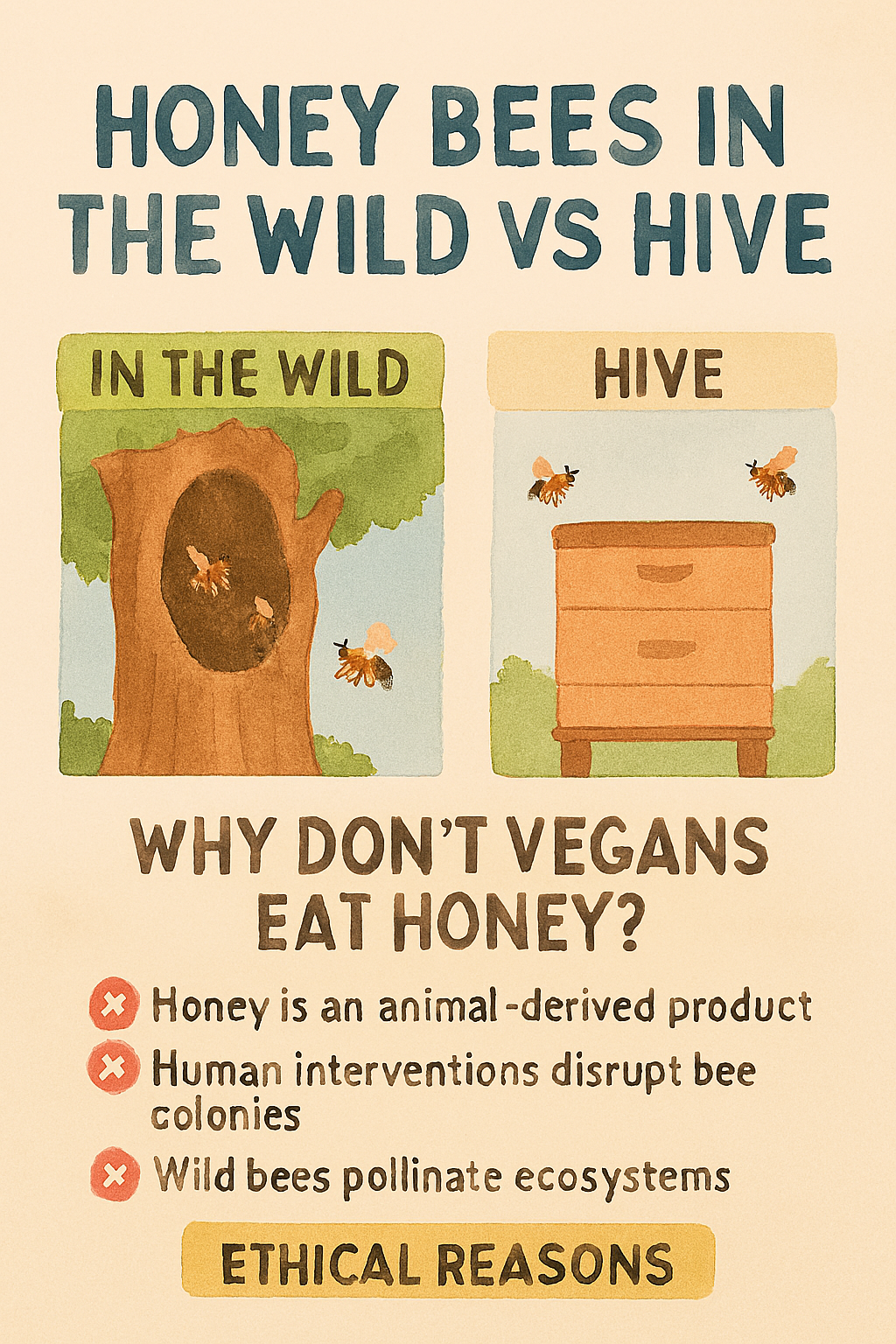
Honey bees are vital pollinators, but their lives vary dramatically depending on whether they live freely in nature or inside managed hives. Understanding these differences helps us appreciate their role — and why many vegans choose not to consume honey.