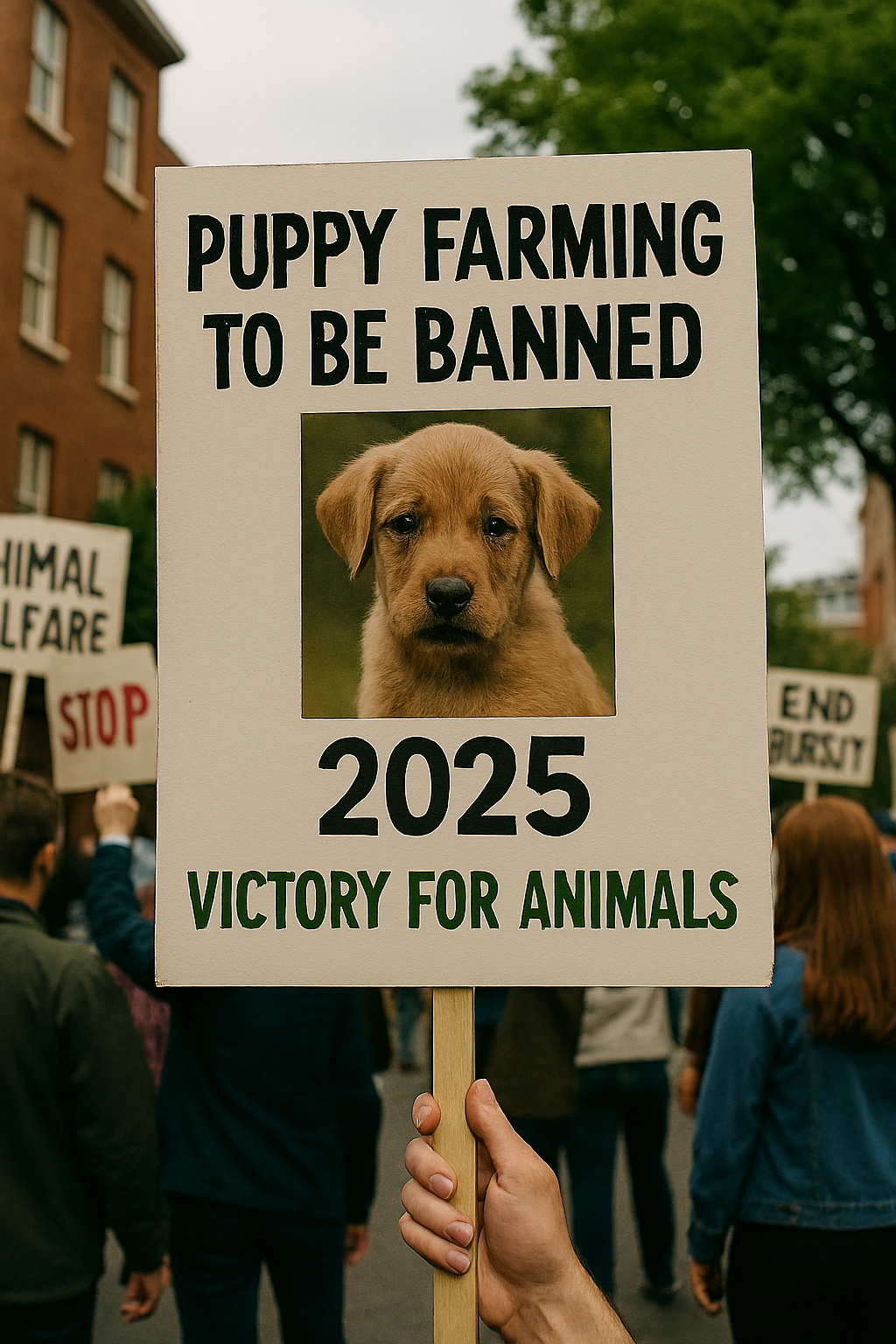
The UK has finally taken a decisive step toward ending one of the country’s most troubling animal‑welfare issues. In December 2025, the government confirmed that puppy farming will be banned as part of its new, long‑term Animal Welfare Strategy. For campaigners, vets, and families who’ve unknowingly bought sick puppies from low‑welfare breeders, this announcement marks a long‑awaited turning point.
Below is everything you need to know — what’s been announced, what it means, and what happens next.
🌟 What Was Announced in December 2025?
In a major pre‑Christmas update, the government revealed a package of reforms designed to overhaul how animals are treated across the UK. At the heart of this package is the commitment to end puppy farming, a practice long associated with cruelty, disease, and hidden suffering.
Here’s what the December announcement included:
- Ban on puppy farming as part of the new Animal Welfare Strategy
- Ban on snare traps
- Ban on trail hunting
- Consultation on electric shock collars
- Reforms to dog‑breeding rules to stop low‑welfare, high‑volume breeding
These reforms are part of a multi‑year rollout running to 2030, with the puppy‑farming ban expected to be implemented early in the programme.
🐕 What Exactly Is Puppy Farming?
Puppy farming refers to intensive, high‑volume breeding, often carried out in poor conditions where dogs are treated as commodities rather than living beings. Puppies from these environments frequently suffer from:
- Genetic disorders
- Untreated infections
- Poor socialisation
- Behavioural issues
Many are sold online or through third‑party sellers, making it difficult for buyers to know the true origin of their new pet.
🧭 Why the Ban Matters
For years, charities and vets have warned that puppy farming is impossible to regulate effectively. Even with licensing schemes, many operations run underground, out of sight, and out of reach of inspectors.
The ban aims to:
- Protect puppies from cruelty
- Stop illegal breeders
- Reduce the number of sick puppies sold to families
- Strengthen enforcement powers
This is not just a policy change — it’s a cultural shift in how the UK views companion animals.
📅 What Happens Next?
The government has confirmed the ban, but the enforcement timeline will be set through secondary legislation in 2026. Expect updates on:
- Licensing rules
- Penalties for illegal breeding
- Definitions of “low‑welfare breeding”
- New inspection powers
These details will determine how strong — and how effective — the ban truly is.
📊 Quick Summary Table
| Update | Date | Details |
|---|---|---|
| Puppy farming ban announced | 21–22 Dec 2025 | Part of Animal Welfare Strategy; ends low‑welfare breeding |
| Shock collar consultation | Dec 2025 | Proposed ban on electric collars |
| Wider animal reforms | 2025–2030 | Includes snare ban, trail hunting ban, farm‑animal |
🌱 A Victory for Puppies, Vegans, and Every Animal Lover
The puppy‑farming ban isn’t just a policy update — it’s a milestone in the UK’s long fight for animal protection. For decades, campaigners, vets, rescuers, and ordinary families have spoken out about the cruelty hidden behind cheap online puppy ads and high‑volume breeding sheds. This announcement proves that their voices were heard.
It’s also a moment of validation for vegans and animal advocates who have spent years highlighting the link between animal welfare, consumer awareness, and ethical responsibility. Ending puppy farming sends a powerful message: animals are not products, and their well-being matters.
As the legislation rolls out, the hope is simple — fewer sick puppies, fewer heartbroken families, and a future where compassion shapes the rules, not convenience. This is a win worth celebrating, and a reminder that change does happen when enough people refuse to look away.
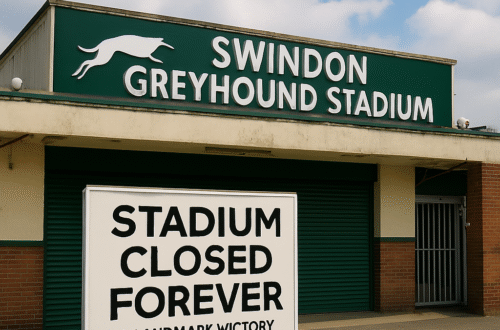
Disclaimer: Photo is for illustrative purposes only.