Introduction: Progress Spoken, Not Yet Delivered
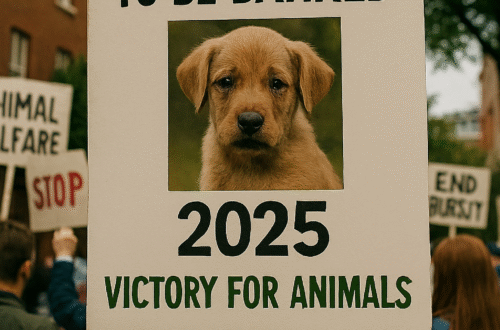
In June 2025, the UK Parliament debated a petition signed by more than 109,000 citizens, demanding an end to cages in farming. Compassion in World Farming, supported by campaigners such as Deborah Meaden, helped bring the issue into the spotlight. The debate raised the possibility of a total ban on poultry cages by 2027.
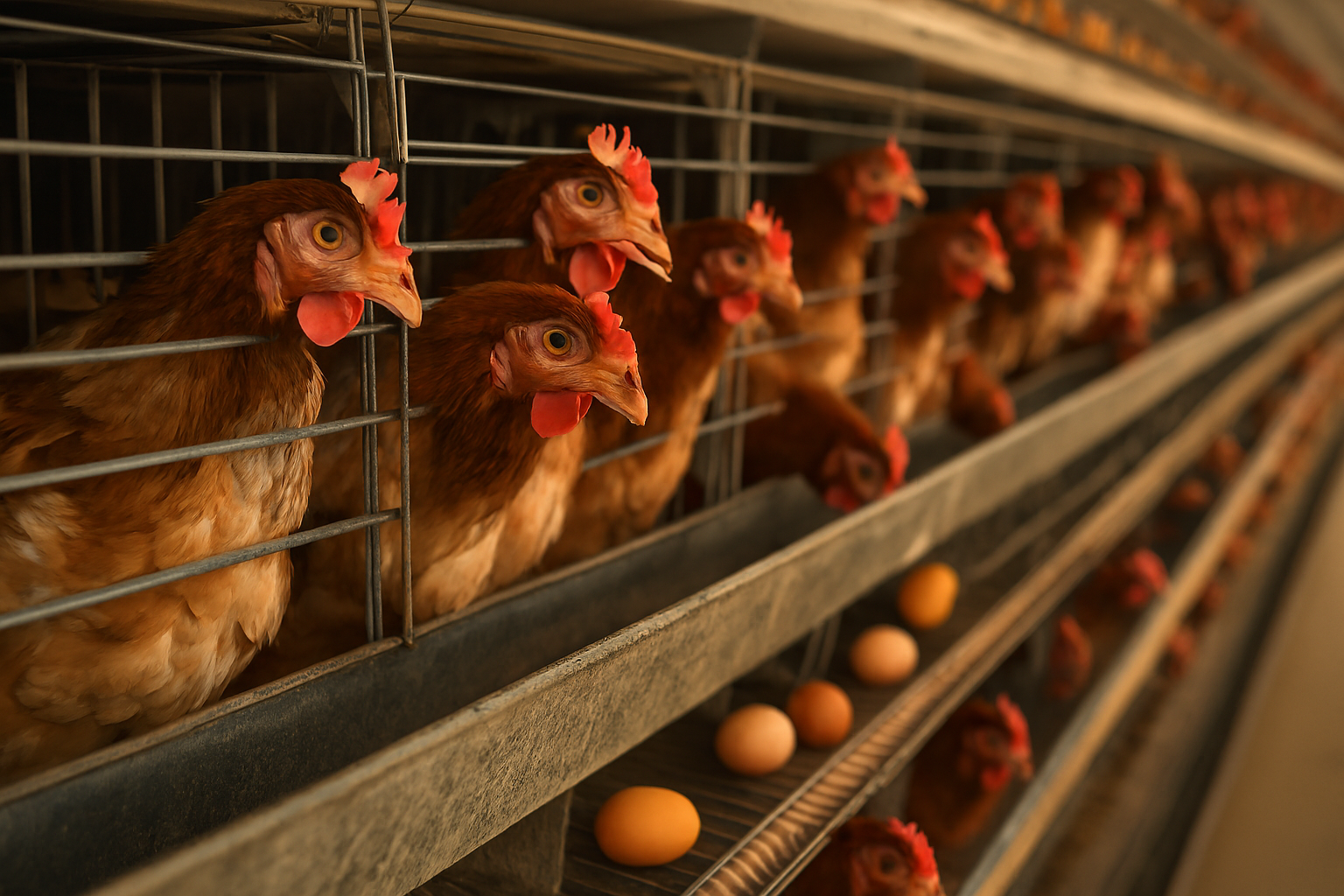
But here is the reality: cages are not yet banned. They remain legal, and millions of hens are still confined. The discussion itself is evidence that birds have been—and continue to be—kept in unethical, restrictive conditions.
Evidence of Cruelty in UK Farming
The fact that Parliament is considering a ban proves what animal rights groups have long argued: cage systems are cruel.
- Restricted movement: hens cannot spread their wings or perch naturally.
- Frustration and stress: wire floors prevent dust‑bathing and scratching.
- Physical harm: overcrowding leads to feather loss, fractures, and aggression.
If cages are cruel enough to debate banning, then every day they remain in use is another day of suffering.
Why Wait Until 2027?
The proposed timeline raises urgent questions. Why should hens endure cages for two more years?
- Economic convenience: farmers argue they need time to adapt housing systems.
- Supply chain inertia: retailers prefer gradual change to avoid disruption.
- Political caution: ministers hesitate to legislate quickly.
From a vegan perspective, these excuses reveal a deeper truth: profit is prioritised over compassion.
What Cage‑Free Really Means
Even if cages are banned in 2027, chickens will still:
- Be kept in barns or multi‑tier systems, often overcrowded.
- Face mutilations such as beak trimming.
- Be slaughtered at 18 months, far short of their natural lifespan of 8–10 years.
Cage‑free does not mean cruelty‑free. It is a rebranding of exploitation, not its end.
Pressure Must Continue
Animal rights advocates and vegans must keep the pressure on. Without relentless campaigning, the 2027 ban may remain only a proposal.
- Lobbying works: the debate happened because of public petitions.
- Retailer commitments matter: supermarkets are already pledging cage‑free sourcing.
- Public awareness is vital: every signature, every blog, every campaign adds weight.
The fight is not over. It has only begun.
Conclusion: Beyond Cages
The UK’s debate on banning cages is progress, but it is not yet law. Chickens remain confined, exploited, and slaughtered. From a vegan perspective, the cage ban is evidence of cruelty past and present, but the ultimate goal must be ending animal farming altogether.
This blog is intended for informational and educational purposes only. While every effort is made to ensure accuracy, details about Black Soldier Fly farming, sustainability practices, and industry applications may change over time. Readers should verify information with official sources, manufacturers, or agricultural authorities before making business, dietary, or environmental decisions. The content does not constitute financial, nutritional, or legal advice, and any recommendations are shared for general guidance only.
One comment on “UK Cage Ban Debate 2025 – Why Vegans Must Keep the Pressure On”
Comments are closed.