
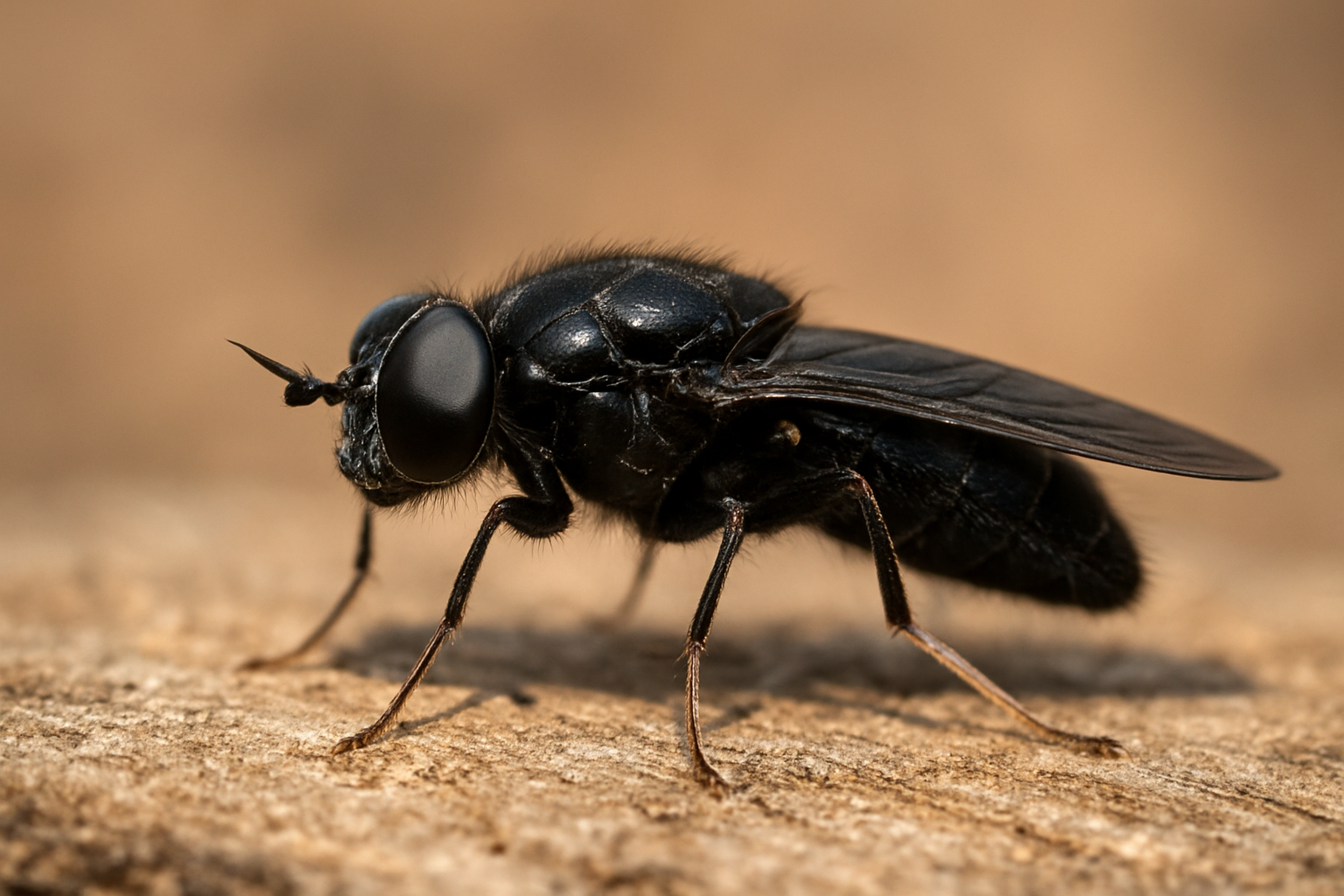
Introduction: A Strange New Ingredient
In recent farming news, animal nutrition companies are experimenting with black soldier fly oil as a fat source in calf milk replacers. At first glance, this may sound innovative—an eco‑friendly alternative to palm oil or animal fats. But when we look deeper, the story reveals uncomfortable truths about the dairy industry, insect farming, and the way humans reshape food chains for profit.
🐄 Why Calves Need Milk Replacers
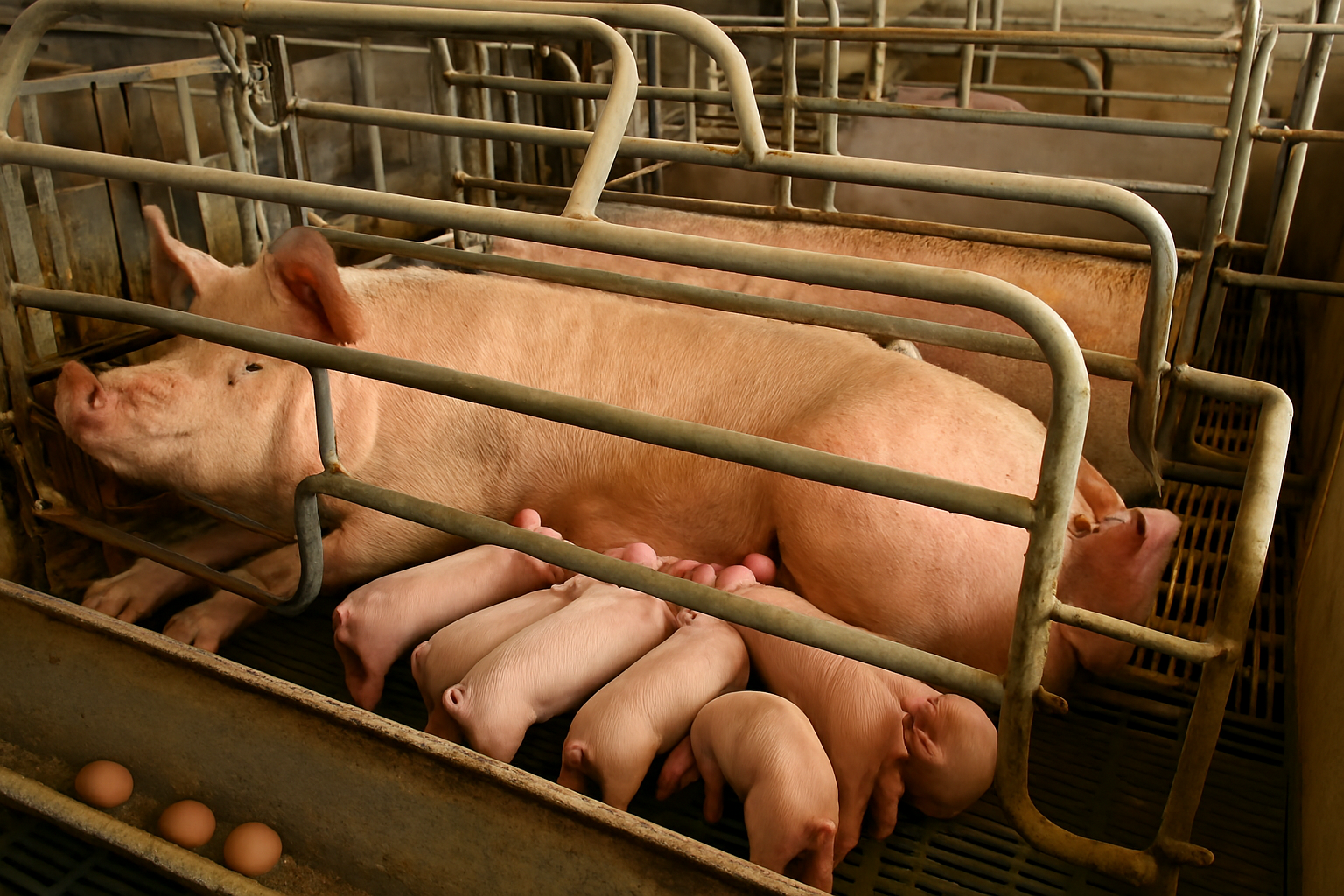
- Separation from mothers: In dairy systems, calves are removed from cows within hours of birth so humans can consume the milk.
- Minimal fat reserves: Calves are born with just 3–4% body fat, meaning they rely heavily on replacers for energy.
- Critical functions: Fat supports thermoregulation, metabolism, digestive health, and immune development.
Without human demand for cow’s milk, calves would naturally receive this nutrition from their mothers.
🪰 How Black Soldier Flies Become Feed
- Industrial insect farming: Black soldier fly larvae are bred on food waste and manure.
- Oil extraction: Their bodies are processed to yield oil rich in lauric acid, marketed as “sustainable.”
- Powder formulation: This oil is blended into calf milk replacers, replacing palm or animal fats.
This process turns billions of insects into commodities, raising ethical questions about sentience and welfare.
🌍 The Sustainability Narrative
- Palm oil concerns: Linked to deforestation and biodiversity loss.
- Animal fats: Traditional sources like lard and tallow carry ethical and environmental baggage.
- Insect oil marketing: Promoted as eco‑friendly because larvae can be raised on waste with less land and water.
But this narrative ignores the root issue: calves only need replacers because humans take their mothers’ milk.
🌱 Vegan Perspective: The Bigger Picture
- Systemic exploitation: Calves are denied maternal care so humans can consume dairy.
- Insect commodification: Farming insects for oil normalizes their use in food chains, despite welfare concerns.
- False sustainability: Replacing palm oil with insect oil doesn’t solve the ethical contradictions of dairy farming.
- Consumer unease: Many find the idea of insect oil in calf feed “yucky,” highlighting how unnatural industrial farming has become.
Conclusion: Do We Want This In The Food Chain?
The introduction of insect oil into calf milk replacers is framed as progress, but it’s really a symptom of a broken system. True sustainability means ending dairy farming, allowing calves to stay with their mothers, and removing both cows and insects from exploitative food chains.
This blog is intended for informational and educational purposes only. While every effort is made to ensure accuracy, details about Black Soldier Fly farming, sustainability practices, and industry applications may change over time. Readers should verify information with official sources, manufacturers, or agricultural authorities before making business, dietary, or environmental decisions. The content does not constitute financial, nutritional, or legal advice, and any recommendations are shared for general guidance only.


One comment on “🪰 Insects in the Dairy Chain: Why Black Soldier Fly Oil in Calf Milk Replacers Should Concern Us”
Comments are closed.