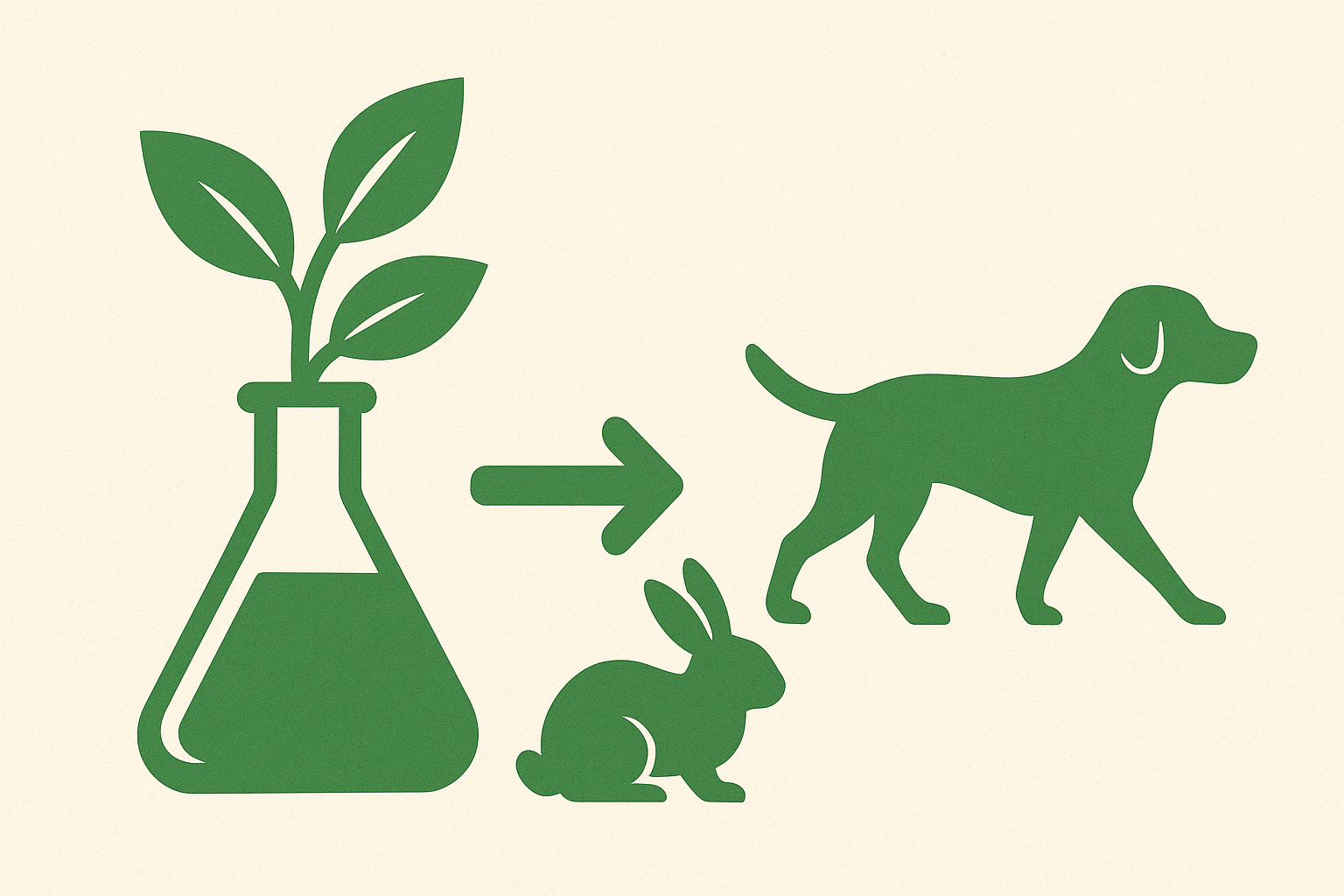
2025 is a turning point for animal testing in the UK. The government has pledged to phase out harmful experiments, investing in cruelty‑free alternatives that could transform science and protect millions of animals. Yet campaigners warn that progress must be faster, clearer, and more transparent.
🌱 What’s Changing
- AI replacing animal experiments: Machines are learning to interpret biological data, reducing reliance on live animals.
- Organ‑on‑a‑chip technology: Miniature devices mimic human organs, offering more accurate results than animal models.
- 3D bioprinted tissues: Scientists are creating human‑like tissues for testing drugs and cosmetics without cruelty.
- Government roadmap: By 2026, skin and eye irritation tests will end, with wider reductions planned through 2030.
⚖️ The Concerns
- Slow timelines: Waiting until 2030 leaves too many animals at risk.
- Transparency gaps: The government has been “quiet” about upcoming welfare legislation, raising fears of delays.
- Industry resistance: Some sectors still defend animal testing as “necessary,” despite evidence of better alternatives.
💚 Why This Matters for Vegans
Animal testing is not just a scientific issue — it is a moral one. Every experiment avoided means fewer animals suffering in laboratories. For vegans, this shift represents compassion in action, aligning science with ethics.
Disclaimer: This blog provides general information and suggestions only. While every effort is made to ensure accuracy, product ingredients, availability, and certifications may change over time. Readers should always check labels and verify details directly with manufacturers or retailers before purchasing. The content does not constitute medical, nutritional, or legal advice, and any lifestyle recommendations are shared for general guidance only