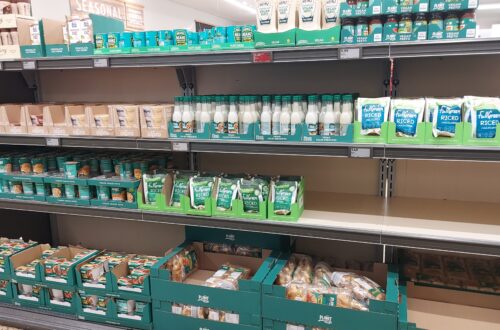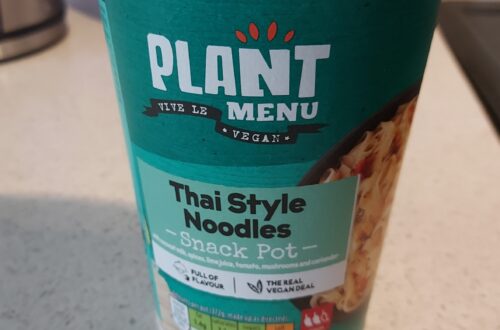
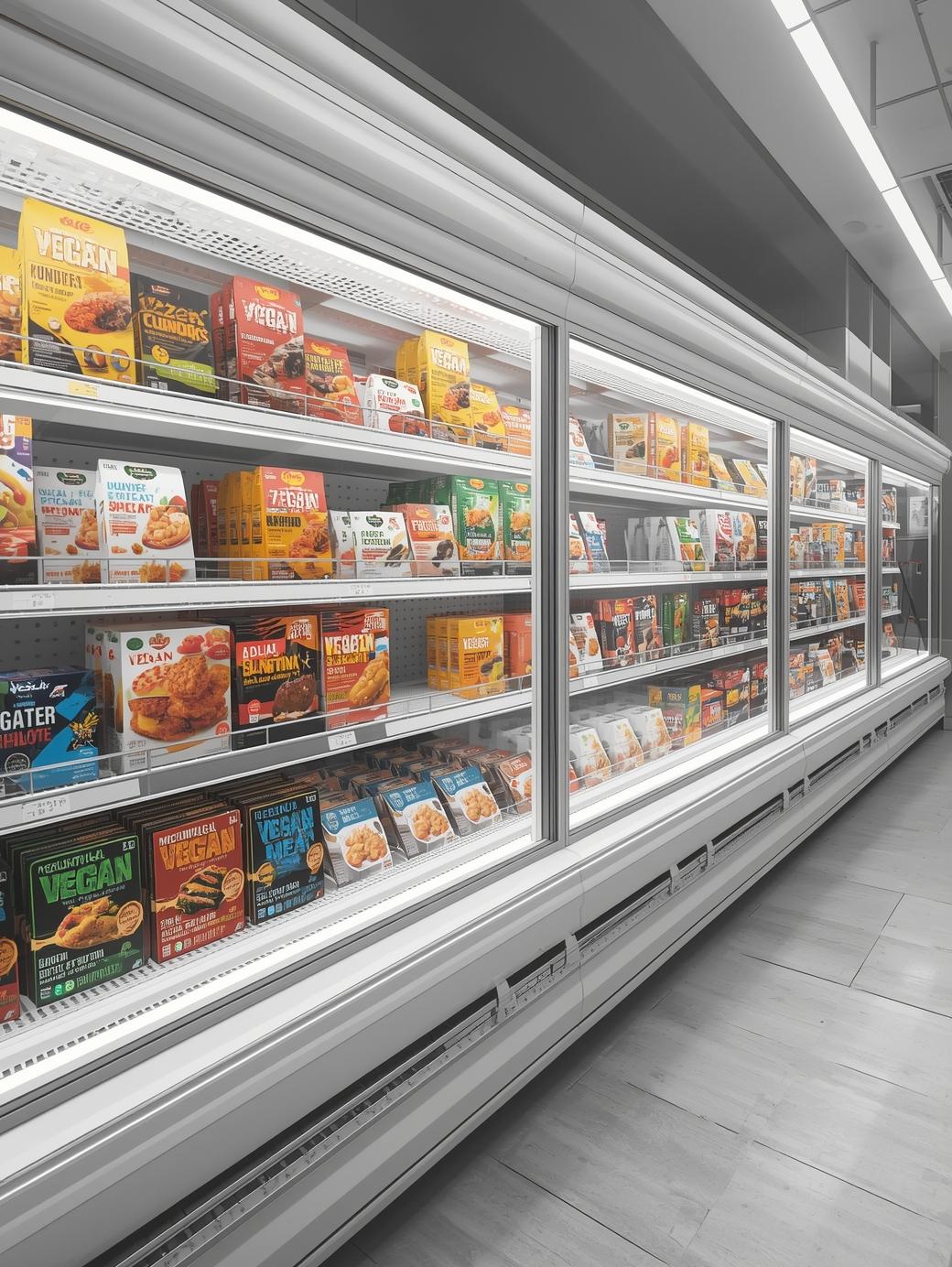
The European Union has recently voted to restrict the use of “meaty” terms such as burger, steak, sausage, and escalope for plant-based products. The rationale, driven by livestock industry lobbying, is that these terms mislead consumers and appropriate cultural heritage. If the UK wants to resume selling vegan products into the EU market under new trade agreements, it may be required to adopt these same labelling rules.
- EU ban on meaty names: Plant-based foods may no longer be marketed as “veggie burgers” or “vegan steaks.”
- UK trade alignment: To access EU markets post-Brexit, Britain may need to mirror these restrictions.
- Livestock industry lobbying: Farmers argue the terms are misleading, while vegan advocates say they aid consumer understanding.
- Government climate pledges: Ministers promote flexitarian diets to cut emissions, yet labelling bans could undermine this.
- Consumer confusion: Without familiar names, shoppers may struggle to know what plant-based foods taste like.
⚖️ The Vegan Position
From a vegan perspective, these restrictions are counterproductive. The terms burger or steak don’t just describe meat—they describe a format, texture, and culinary experience. A “vegan burger” signals to consumers that the product is designed to be eaten in a bun, with condiments, in the same way as a beef burger. Removing these familiar cues risks alienating flexitarians—the very group the government says it wants to encourage.
- Taste expectations: Words like “burger” help consumers imagine flavour and usage.
- Flexitarian appeal: Clear labelling makes it easier for meat-reducers to swap in plant-based options.
- Climate contradiction: Restricting labels undermines policies meant to reduce livestock emissions.
- Market access vs. innovation: UK businesses may face barriers to EU trade while losing domestic clarity.
🌍 Why This Matters
Livestock farming is a major contributor to greenhouse gas emissions. Encouraging plant-based diets is a cornerstone of climate policy. Yet if vegan products are stripped of familiar names, consumers may hesitate to try them, slowing the shift toward sustainable eating. This is not just a marketing issue—it’s a climate issue.
The irony is stark: the UK government promotes vegan and flexitarian diets to fight global warming, but aligning with EU labelling rules could discourage adoption. For campaigners and businesses, the challenge will be to balance compliance with clarity, ensuring consumers still understand what plant-based foods offer.
✨ Conclusion
Restricting vegan food labels like burger or steak may satisfy livestock lobbyists, but it risks undermining climate goals and confusing consumers. From a vegan standpoint, the government should resist rules that make plant-based foods harder to understand.
If the UK truly wants to support sustainable diets, it must defend clear, familiar labelling that empowers people to make climate-friendly choices. And crucially, the government should stand up to Europe and say no to name changes—protecting both consumer clarity and the integrity of Britain’s climate commitments.
After all, we left Europe through Brexit precisely so we could make our own rules. To submit to EU restrictions now would betray that promise and weaken the UK’s leadership on sustainable food innovation.
This is not a great loss to vegans, who will continue to create and enjoy plant-based foods regardless of the label. But it is a great loss to Brexiters, who fought for sovereignty, and to the fight against global warming, which depends on encouraging more people to choose sustainable diets.
Disclaimer: This blog provides general information and suggestions about vegan products. While every effort is made to ensure accuracy, product ingredients, availability, and certifications may change over time. Readers should always check labels and verify details directly with manufacturers or retailers before purchasing. The content does not constitute medical, nutritional, or legal advice, and any lifestyle recommendations are shared for general guidance only